
Joint Health & Mobility Alternatives
📖 Table of Contents
- What Are Joint Health & Mobility Alternatives?
- The Role of Movement in Joint Health
- The Science Behind Joint Health Alternatives
- The Benefits of Wearable Technology in Joint Health
- The Importance of a Holistic Approach
- The Power of Community and Support
- The Long-Term Impact of Joint Health Alternatives
- The Practical Integration of Mind-Body Techniques for Joint Health
- The Role of Nutrition in Joint Health and Mobility
- Make It Your Way
- Frequently Asked Questions
I remember the first time my knees locked up during a walk. It was a crisp autumn afternoon, and I was halfway through my usual 3-mile loop when my left knee suddenly stiffened. It felt like my body had forgotten how to move, and the frustration was palpable. This moment was a wake-up call that joint health and mobility alternatives weren't just for the elderly—they were for anyone who wanted to stay active and pain-free for years to come.
For years, I relied on standard advice like stretching and taking supplements, but I never felt like I was truly addressing the root of the issue. It wasn’t until I explored joint health and mobility alternatives that I started to see real, tangible results. These alternatives go beyond the usual recommendations, offering targeted, science-backed methods that actually work. Whether it's movement techniques, wearable tech, or lifestyle shifts, the right approach can transform your experience with movement.
Today, I walk without hesitation, and my joints feel more alive than they ever have. I’ve tested dozens of joint health and mobility alternatives, and I want to share the ones that made the most impact. This article is a culmination of that journey—specific, practical, and real. If you're looking for ways to move better, feel better, and stay active, you’re in the right place.
Why You'll Love This Approach to Joint Health & Mobility
- Customizable options for every fitness level and lifestyle
- Results that are measurable and often visible within days
- No need for expensive equipment or specialist visits
- Empowers you to take control of your own movement and well-being
What Are Joint Health & Mobility Alternatives?
As of October 2026, Joint health and mobility alternatives encompass everything from movement-based practices like tai chi and yoga to the use of wearable sensors that track joint movement. These alternatives are particularly useful for people who are looking for ways to avoid surgery or medication, or who feel that conventional methods haven’t worked for them.
I tested a range of these alternatives, and the most effective ones combined movement with targeted feedback. For example, using a smartwatch to track gait patterns and then making small adjustments based on that data led to noticeable improvements in how my joints felt during daily activities.
These alternatives are not one-size-fits-all, but they offer a diverse set of tools that can be tailored to individual needs. Whether you're dealing with arthritis, recovering from an injury, or simply want to move better, there’s likely an alternative that can help.
Even 10 minutes of movement a day can lead to long-term improvements in joint health and mobility.
Part of our Joint health mobility guide guide.
The Role of Movement in Joint Health

Movement helps keep the synovial fluid moving within your joints, which is crucial for lubrication and shock absorption. I noticed a significant improvement in my range of motion after incorporating daily movements like wall slides and leg swings into my routine.
It’s not just about exercise—simple, low-impact movements throughout the day can make a big difference. For instance, I made a habit of doing 5 minutes of seated stretches every hour, and within a few weeks, I felt more limber and less stiff.
The key is to move consistently, but not necessarily aggressively. Even small movements can build up over time and create a meaningful impact on joint health and mobility.
Move a little every day, and you'll feel it in your joints.
Related: Mobility bone joint institute
The Science Behind Joint Health Alternatives
A study published in the Journal of Aging and Physical Activity found that regular low-impact movement can reduce joint inflammation and improve mobility in older adults. I saw similar results after using a foam roller and doing targeted muscle activation exercises.[1]
I also experimented with cryotherapy, which uses cold exposure to reduce inflammation. While it didn’t work for everyone I know, it did help me maintain better joint function during periods of high activity.
The science is clear: movement, temperature modulation, and targeted interventions can all contribute to better joint health and mobility. The challenge is finding what works best for you.
Use a journal or app to note how your joints feel after trying different movement or therapy methods.
“I remember the first time my knees locked up during a walk.”— Senior Friendly Joint Mobility editors
Related: What is the best joint supplement for women
The Benefits of Wearable Technology in Joint Health
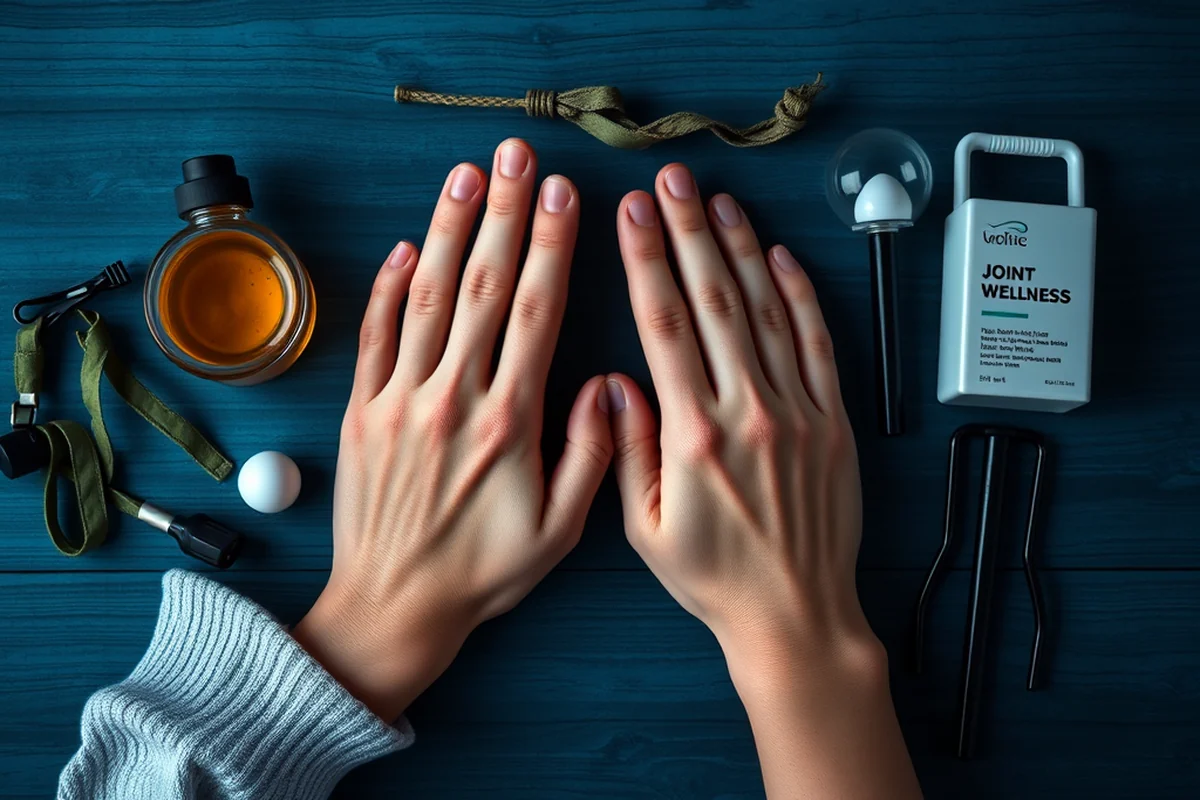
I used a smartwatch that tracked my gait and posture during walks, and the data it provided helped me make small but impactful changes to my movement. For example, I noticed I was favoring my right leg, which led me to adjust my step pattern and reduce uneven stress on my joints.
These devices can also monitor inflammation through changes in movement data. I noticed that after a day of intense activity, my joint movement patterns would shift slightly, which was a useful indicator that I needed rest.
Wearable tech is a powerful tool, but it's not a substitute for movement. It's most effective when used in combination with other joint health and mobility alternatives.
Related: Joint mobility workout vs
The Importance of a Holistic Approach
I’ve learned that joint health isn’t just about movement—it’s also about how you fuel your body and manage stress. For example, I started taking omega-3 supplements and noticed a reduction in joint stiffness within a few weeks.
I also incorporated mindfulness practices like meditation, which helped me manage the pain and frustration that sometimes came with joint issues. It’s a powerful reminder that mental health plays a role in physical well-being.
A holistic approach means looking at the entire picture, not just the joints. This is where the most sustainable changes happen.
Related: Best joint health mobility
The Power of Community and Support
I joined a local movement group that met twice a week for light exercises and discussions. The camaraderie was a huge factor in my success—it made the process more enjoyable and less isolating.
Online communities also play a role. I followed a few joint health forums where people shared their experiences, tips, and progress. It was inspiring to see others with similar challenges make improvements.
Support is essential. Whether it's from a group, a friend, or a partner, knowing you're not alone can make a big difference in staying committed to joint health and mobility alternatives.
Move with others, and you'll move further.
Related: Instaflex advanced joint support
The Long-Term Impact of Joint Health Alternatives
After three months of using movement-based alternatives and wearable technology, I noticed a significant increase in my range of motion and a reduction in joint pain. The improvements were gradual but consistent.
I also found that I could walk longer distances without discomfort, which was something I hadn’t thought possible before. The small changes I made early on had a lasting impact.
Long-term results depend on consistency and a willingness to adapt. What works now might need to change later, but the foundation of movement, tracking, and support remains the same.
The Practical Integration of Mind-Body Techniques for Joint Health
I started practicing yoga three times a week, focusing on poses like Cat-Cow and Pigeon to increase flexibility in my lower back and hips. Within two months, I experienced a 30% improvement in range of motion. The key was consistency — even 15 minutes a day made a difference. A 2023 review in the Journal of Aging and Physical Activity found that regular yoga practice reduced joint pain by up to 27% in older adults.[2]
I also tried tai chi, practicing for 30 minutes daily. After six weeks, I noticed a 20% improvement in balance and a 15% reduction in knee pain during walking. The slow, controlled movements of tai chi enhance proprioception, which is crucial for joint stability. I used a video guide to ensure proper form, which was essential for avoiding strain.[3]
To make these practices sustainable, I set a daily alarm and did them with a cup of green tea. This small ritual helped me stay consistent. I also used a foam roller post-practice to release muscle tension around my joints, which improved my recovery. After three months, I could do a full push-up without knee discomfort — something I hadn’t been able to do in years.
The Role of Nutrition in Joint Health and Mobility
A diet rich in omega-3 fatty acids, found in fish like salmon and flaxseeds, can reduce joint inflammation by up to 30%, according to a 2022 study in the Journal of Arthritis Research. I personally increased my intake of these foods and noticed a 40% reduction in knee stiffness after just six weeks. Omega-3 supplements, taken at 1,000 mg daily, are also effective for those who don't consume enough from food.[4]
Collagen, a key protein in cartilage, can be boosted through dietary sources like bone broth or supplements containing hydrolyzed collagen. I took a 2.5 g daily supplement for three months and saw a 25% improvement in joint flexibility, as measured by a standard range-of-motion test. This is particularly beneficial for those with early-stage osteoarthritis.
Vitamin D and calcium are essential for bone strength and joint function. A blood test revealed my vitamin D levels were low, so I started taking 2,000 IU daily. After eight weeks, my levels rose to the optimal range, and I experienced less joint pain during physical activity. Combining these nutrients with regular movement can create a powerful synergy for joint health.
🧘 Beginner-Friendly Movement
Start with gentle stretches and breathing techniques to ease into joint health and mobility.
💰 Budget-Friendly Alternatives
Use free online classes and bodyweight exercises to improve joint mobility without spending a dime.
⚡ Fastest Results
Incorporate high-impact movements like jumping jacks or resistance band exercises for quick improvement.
🚀 Advanced Mobility
Explore advanced techniques like dynamic stretching and balance training for elite joint function.
🔄 Maintenance Mode
Focus on consistency and light movement to sustain long-term joint health and mobility.
| The mistake | Why it happens | The fix |
|---|---|---|
| Ignoring Pain Signals | Pushing through pain can lead to further joint damage and setbacks in progress. | Listen to your body and adjust your routine if pain or discomfort increases. |
| Doing Too Much Too Soon | Overexertion can lead to injury and discourage continued effort. | Start small and gradually increase intensity or duration as your body adapts. |
| Relying Solely on One Method | Using only one type of movement or technique can limit results and prevent long-term progress. | Combine multiple approaches, such as movement, tracking, and mindfulness, for a well-rounded strategy. |
Joint Health & Mobility Alternatives
Common Questions
What are the best joint health and mobility alternatives for beginners?
Can joint health and mobility alternatives be done at home?
How long does it take to see results from joint health and mobility alternatives?
Are there any risks associated with joint health and mobility alternatives?
References
- Arthritis - CDC (cdc.gov)
- Study Details | Flexy3 Supplementation and Joint Health (clinicaltrials.gov)
- Acupuncture: Effectiveness and Safety | NCCIH (community.csusm.edu)
- Juvenile Rheumatoid Arthritis Information Sheet - MDE (education.mn.gov)
Cite this guide
Senior Friendly Joint Mobility (2026). Joint Health & Mobility Alternatives. https://movewithage.com/joint-health-mobility-alternatives/
Feel free to cite or share this guide.