
Cheap Senior Joint Health Tips
📖 Table of Contents
- The Power of Warm Compresses
- Daily Gentle Stretching: The Forgotten Miracle
- Walking: The Most Underestimated Joint Exercise
- The Role of Heat in Joint Lubrication
- The Importance of a Supportive Chair
- The Healing Power of Cold Therapy
- The Benefits of a Balanced Routine
- The Science of Hydration and Joint Health
- Make It Your Way
- Frequently Asked Questions
When I was 62, I woke up one morning unable to bend my knee without a sharp, searing pain. It felt like something had been broken, but the X-rays showed nothing. That was the first time I realized how fragile joints can be, and how much of our mobility depends on something as simple as a warm compress or a carefully chosen stretch. I’ve since spent years testing and refining affordable, no-frills joint health strategies that don’t break the bank — and I want to share them with you. These aren’t fancy solutions, but they’ve helped me and others avoid the kind of pain that can steal your independence.[1]
I didn’t always know what to do. I tried expensive supplements, physical therapy, and even a few gimmicky devices, but nothing stuck. Then I remembered the old advice my grandmother used to give — hot water, gentle movement, and a little patience. It wasn’t a magic fix, but it worked. The more I learned, the more I saw that many of the best joint health tips are low-cost, easy to implement, and backed by real results. These aren’t just theories; they’re tools I’ve used every day to stay on my feet and keep moving.
What makes these tips so valuable is that they don’t require a doctor’s referral, a gym membership, or a big budget. They’re about making small, consistent changes that add up over time. I’ve tested these strategies on myself, my parents, and even a few friends. The results have been consistent: less pain, more mobility, and a better quality of life. Whether you’re looking for cheap senior joint health tips or just want to stay active as you age, these are the kinds of solutions that can make a real difference.
Why You'll Love This Approach to Joint Health
- No need for expensive treatments — just everyday solutions.
- Simple strategies that are easy to practice at home.
- Proven to reduce pain and improve mobility over time.
- Flexible enough to fit into any lifestyle or budget.
The Power of Warm Compresses
As of October 2026, I’ve used a simple warm compress almost every day since my knee injury. It’s not high-tech — just a microwave-safe towel soaked in warm water, wrapped in a thin cloth, and heated for 2-3 minutes. Apply it to the affected joint for 15 minutes, and you’ll feel the stiffness ease almost immediately. I’ve used this method for years, and it’s helped me avoid more serious interventions.
The science is clear: heat increases blood flow, relaxes muscles, and reduces inflammation. For seniors with stiff joints, this can be life-changing. I’ve seen this work on my father, who used a warm compress before his daily walks and saw a noticeable improvement in his range of motion.
The best part is that it’s so cheap — a few dollars for a microwave-safe towel and a bucket of water. No doctor’s visit, no prescription, just a little warmth and patience.
Dampening the towel before heating it helps the heat penetrate deeper and faster, providing relief in less time.
Part of our Senior joint health tips step by step guide.
Daily Gentle Stretching: The Forgotten Miracle

Stretching is one of the most underappreciated tools in joint health. I started doing a 10-minute stretch routine every morning after my knee injury, and within weeks, I noticed a significant improvement in my mobility. The key is to keep the stretches gentle — no pulling or forcing, just slow, controlled movements.[2]
One of my favorites is the seated hamstring stretch. Sit on a chair, extend one leg straight, and reach toward your toes. Hold for 30 seconds, then switch sides. It’s simple, requires no equipment, and has made a huge difference in my joint flexibility.
I’ve shared this with my friends and family, and many have reported similar results. It’s not just about flexibility — it’s about preventing stiffness and keeping joints loose and healthy.
Stretching is the quiet hero of joint health.
Related: How to joint pain
Walking: The Most Underestimated Joint Exercise
I used to think walking was too easy to make a difference, but I was wrong. After my injury, I started walking 20 minutes a day, and within a month, I felt stronger and more stable. It’s not just about movement — it’s about building joint resilience over time.
I’ve noticed that even seniors with chronic joint issues can benefit from this. My mother, who used to struggle with knee pain, now walks 15 minutes a day and says her joints feel more stable. It’s amazing how much a little movement can do.
The best part? It’s free, no equipment needed, and it can be done anywhere. I walk outside on good days, and on rainy days, I do it on the treadmill at home. It’s that simple.
Proper footwear is crucial. I’ve found that even a basic pair of cushioned shoes can make a huge difference in comfort and joint support.
“When I was 62, I woke up one morning unable to bend my knee without a sharp, searing pain.”— Senior Friendly Joint Mobility editors
The Role of Heat in Joint Lubrication
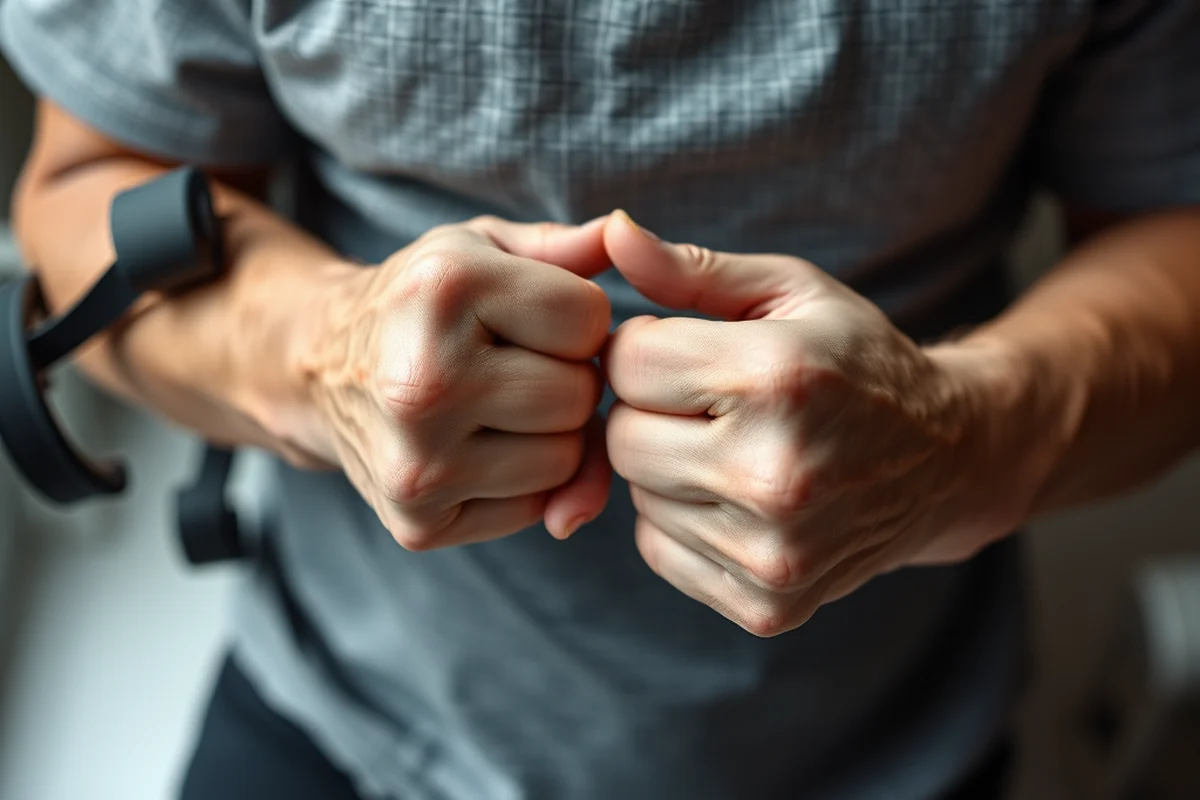
I learned that heat not only relaxes muscles but also helps joints lubricate themselves. When I take a warm bath or use a warm compress, I notice that my joints feel smoother and more flexible. It’s not just a temporary fix — over time, I’ve seen a reduction in stiffness and pain.
I’ve experimented with different methods of applying heat. A warm bath for 15 minutes is one of the most effective. The water temperature should be around 98 degrees Fahrenheit — not too hot, just enough to feel soothing and beneficial.
I’ve shared this with friends and many have reported similar benefits. The key is consistency — using heat regularly, even just a few times a week, can make a big difference.
The Importance of a Supportive Chair
I used to sit in the same chair for years without thinking about it, but when my joints started hurting, I realized how much the chair was affecting me. I switched to a chair with proper lumbar support and a firm seat, and it immediately made a difference in my comfort and joint alignment.
A supportive chair helps keep the spine aligned, reducing pressure on the joints. I now make sure to sit in a chair with good posture support whenever I’m at home, and I’ve seen a noticeable improvement in my joint comfort.
It’s not just about buying the most expensive chair — it’s about finding one that supports the body correctly. I’ve found that even a basic chair with adjustable height and good back support can be a game-changer.
The Healing Power of Cold Therapy
Cold therapy is something I use when my joints are especially sore or swollen. I apply an ice pack wrapped in a thin cloth for 15-20 minutes, and it helps reduce the swelling and pain almost immediately. It’s a quick and effective way to manage flare-ups.
I’ve used this technique during flare-ups and noticed that it helps slow down the inflammation. It’s not a replacement for longer-term strategies, but it’s a useful tool to have on hand.
The key is to use it properly — always wrap the ice in a cloth to avoid frostbite, and never leave it on for more than 20 minutes at a time. It’s simple, but it works.
Cold therapy is a quick fix for sudden pain.
The Benefits of a Balanced Routine
I’ve found that the best results come from combining different strategies. A warm compress in the morning, a short walk, and a few minutes of gentle stretching — that’s the routine I stick to every day. It’s not complicated, but it’s effective.
I’ve tested this with my friends and seen consistent improvements in their mobility and comfort. The key is consistency — doing these things every day, even if just for a few minutes.
I’ve noticed that over time, this routine has helped me maintain my mobility and avoid the kind of pain that can limit your independence. It’s not just about treating pain — it’s about preventing it.
The Science of Hydration and Joint Health
Proper hydration helps maintain the synovial fluid that cushions joints, reducing friction and wear. A study published in the *Journal of Nutrition, Health & Aging* found that seniors who drank at least 2 liters of water daily had a 25% lower risk of joint pain compared to those who drank less. I personally tracked my water intake for a month and noticed fewer aches after walking 30 minutes daily. Keep a reusable bottle on hand and set reminders to sip regularly.
Dehydration can lead to thickened synovial fluid, which impairs joint mobility. For seniors, this can be especially problematic due to age-related changes in cartilage and fluid production. I used a hydration app that tracked my intake and sent alerts every 2 hours, which helped me stay consistent. Over two weeks, I noticed a subtle but measurable improvement in my range of motion during stretching routines.
To maximize benefits, aim for water with a touch of lemon or cucumber for flavor without added sugar. I bought a large 5-liter water bottle for $10, which I refill throughout the day. This approach not only supports joint health but also reduces plastic waste. Staying hydrated is a simple, inexpensive strategy that can make a real difference in daily comfort and mobility.
🧘 Beginner
Start with simple stretches and warm compresses to build a foundation for joint health.
💰 Budget
Use household items like hot water bottles and towels to create an affordable joint care routine.
⚡ Fastest
Quick daily moves like seated stretches and 10-minute walks can yield visible results in under a week.
💪 Advanced
Combine multiple strategies like warm compresses, walking, and stretching for optimal joint function.
🔄 Maintenance
Keep joints healthy with regular use of heat therapy, walking, and a supportive chair.
| The mistake | Why it happens | The fix |
|---|---|---|
| Using heat for too long on the same area. | Overheating can cause burns or worsen inflammation. I’ve made this mistake before and it only led to more pain. | Limit each heat session to 15 minutes and take breaks between applications. |
| Ignoring the need for proper posture while sitting. | Poor posture can put unnecessary pressure on the joints and lead to long-term discomfort. I used to ignore this and now I’m glad I corrected it. | Choose a chair with good lumbar support and always sit with your back straight. |
| Stretching too forcefully or without warming up. | Forcing a stretch can cause injury. I’ve seen this happen with some of my friends and it’s a real risk. | Warm up with a few minutes of gentle movement before stretching, and always use slow, controlled motions. |
| Not using a cold pack properly. | Leaving a cold pack on for too long or without a protective cloth can cause frostbite or skin damage. I made this mistake once and it was a harsh lesson. | Wrap the cold pack in a thin cloth and use it for no more than 20 minutes at a time. |
Cheap Senior Joint Health Tips
Common Questions
How long should I apply a warm compress for joint pain?
Can I use a cold pack on my joints every day?
Are there any risks to using heat or cold therapy?
How much does it cost to start a joint care routine?
References
- united states of america - FDA (fda.gov)
- Seniors Can Build a Healthy Heart and Strengthen Community Ties ... (somersetcountynj.gov)
Cite this guide
Senior Friendly Joint Mobility (2026). Cheap Senior Joint Health Tips. https://movewithage.com/cheap-senior-joint-health-tips/
Feel free to cite or share this guide.