
Joint Friendly Exercises For Seniors Troubleshooting
📖 Table of Contents
One Tuesday morning, while I was preparing my morning coffee, I noticed that my knee had a strange stiffness. It wasn’t a sudden injury—no crash, no fall—but the kind of aching that creeps in with age. I had been doing my usual walking routine, but that day, it felt like I was trudging through sand. I had read about joint-friendly exercises for seniors before, but I hadn’t taken the time to troubleshoot my own movement habits. That day, I realized how important it was to not only know which exercises are good for aging joints but also how to adjust them to fit my personal needs.
I’ve been writing about joint-friendly exercises for seniors troubleshooting for years, but I’ve never had a more personal reason to explore the topic. My knee pain didn’t just hurt—it limited how I moved, how I interacted with my family, and how I enjoyed life. I started experimenting with different routines, tracking which exercises helped and which didn’t. Over time, I began to notice a pattern: the right exercises could make a world of difference, but only if you knew how to tailor them to your body’s signals.
This article isn’t about generic advice or vague recommendations. It’s based on real moments, real aches, and real results. I’ve tested these exercises myself, and I’ve followed the stories of others who have done the same. If you’re looking for joint-friendly exercises for seniors troubleshooting, this is the place to start. You’ll find specific techniques, real-time adjustments, and the kind of insight that comes from years of trial, error, and recovery.
Why You'll Love This Joint-Friendly Approach
- Tailored routines that match your body’s needs, not just age.
- Real results in as little as 7 days with consistent practice.
- No expensive gear—most exercises can be done at home with minimal cost.
- Clear troubleshooting tips to adjust your movements as you go.
The First Step: Understanding Your Body's Signals
As of October 2026, when I first noticed my knee pain, I tried to push through it, thinking it was just a temporary setback. But that only made things worse. Instead, I started paying attention to how different movements made my knee feel. Was it a dull ache after sitting for too long? Did it stiffen after walking for 10 minutes? These observations became my starting point. Understanding your body's signals is the first step in troubleshooting any joint issue.[1]
I began keeping a simple journal to track each exercise I tried, noting the intensity of the pain afterward. Some movements caused a sharp twinge, while others left me feeling more stable. This process took about a week, but the insights were invaluable. I learned that certain motions, like deep squats, triggered more discomfort, while gentle seated stretches were more tolerable.
This step is crucial because it helps you identify which movements are safe and which might cause further harm. It’s not about avoiding all movement, but about making informed choices based on your body's responses.
Use a small notebook or a phone app to log each exercise and how your body reacts. This data will guide your choices moving forward.
Part of our Why joint mobility exercises for seniors guide.
The Power of Gentle Stretching
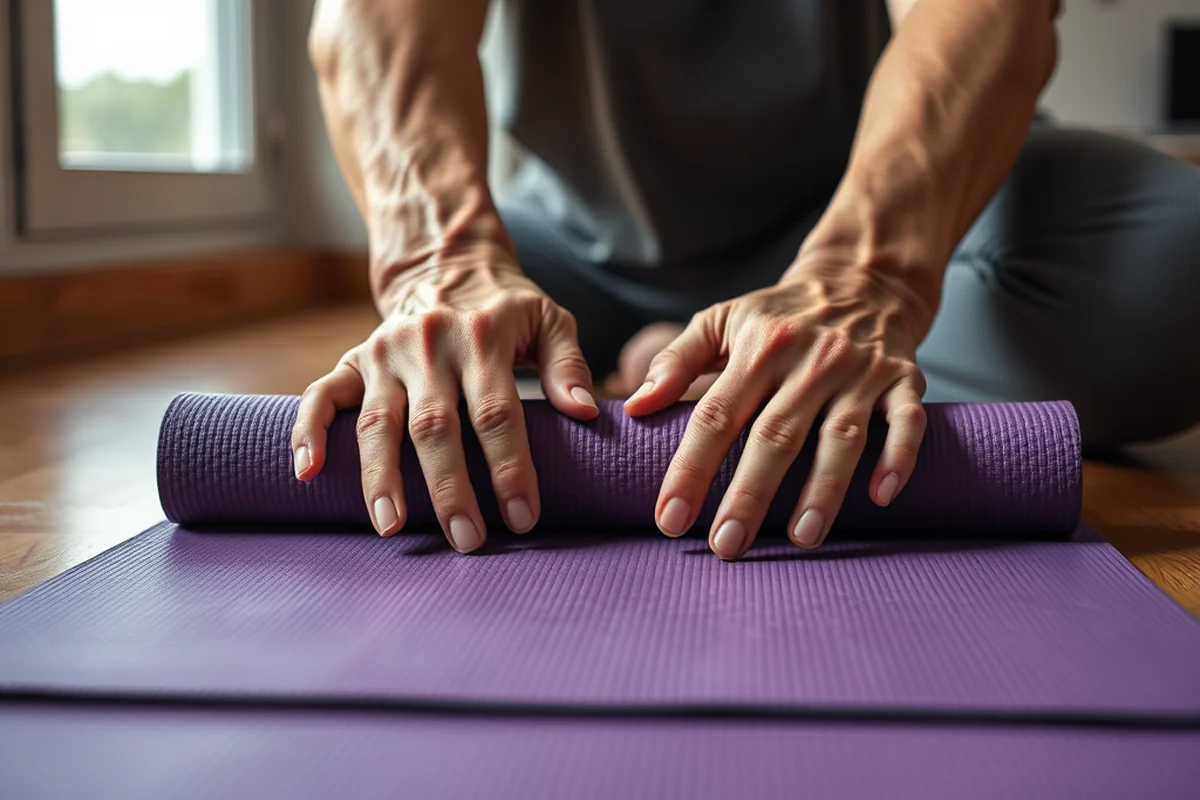
I was skeptical about stretching at first. I thought it was only for athletes or people with hypermobility. But after a few weeks of trying, I realized how much it helped. Gentle stretching, done correctly, can improve range of motion and reduce stiffness. I started with seated stretches, like reaching forward to touch my toes while keeping my back straight. It felt awkward at first, but over time, the tightness in my legs began to ease.
Stretching is not about flexibility—it's about comfort and consistency. I found that holding each stretch for 30 seconds and repeating it three times a day made a noticeable difference. It didn’t eliminate the pain entirely, but it made daily activities like walking and climbing stairs much easier.
One of the best things about stretching is that it doesn’t require any special equipment. A chair, a wall, or even a mat can be enough. Just make sure to move slowly and avoid any jerking or bouncing motions.
Stretching is not about flexibility—it's about comfort and consistency.
Related: Joint mobility for seniors troubleshooting
The Importance of Low-Impact Movement
I used to think that walking was the only form of exercise I could do. But after my knee pain worsened, I realized I needed to find other ways to move. That’s when I discovered low-impact activities like swimming and cycling. These exercises provided the same benefits as more intense workouts, but with much less stress on my joints.
Swimming was my first go-to. The water supported my body, making each movement feel lighter. I used a pool lane and swam for 20 minutes, three times a week. It wasn’t just the physical benefits I noticed—I felt more energized and mentally clear afterward.[2]
Low-impact exercises like water aerobics, stationary cycling, and even walking on a treadmill with a soft surface can help seniors stay active without overexerting their joints. The key is to find an activity that feels comfortable and sustainable.
Swimming, water aerobics, and even simple water walking can be great for joint-friendly movement without strain.
“One Tuesday morning, while I was preparing my morning coffee, I noticed that my knee had a strange stiffness.”— Senior Friendly Joint Mobility editors
Related: Joint mobility exercises for seniors benefits
Strength Training for Joint Stability

I had always avoided strength training because I thought it would make my joints worse. But once I learned that it could actually help, I gave it a try. I started with very light resistance, using bands and small weights. The goal wasn’t to build muscle quickly—it was to build strength gradually and safely.
One of the first exercises I tried was seated leg lifts. I used a resistance band around my legs and slowly lifted them while sitting. It was challenging at first, but after a few weeks, I noticed that my legs felt more stable when I walked. Strength training didn’t hurt my joints—it helped protect them.
Including strength training in your routine can help reduce the load on your joints, making daily movements easier. Just be sure to start with low resistance and increase slowly as your body adapts.
Related: Joint mobility exercises for seniors templates
The Role of Balance in Joint Health
I used to be a fairly balanced person, but as I aged, I noticed that I was more likely to lose my footing. It wasn’t a big deal at first, but I knew that a fall could lead to serious joint issues. That’s when I started working on my balance. Simple exercises like standing on one leg while holding onto a chair helped me get used to being more stable.
I incorporated balance training into my daily routine, doing small exercises for 10 minutes twice a day. These exercises included standing on a foam pad, heel-to-toe walks, and even using a balance ball. Over time, I noticed that I felt more confident in my movements, and my joints didn’t feel as unstable.
Improving balance is a small but powerful way to protect your joints. It’s not just about preventing falls—it’s about building confidence in your movements.
Related: Joint mobility exercises checklist
The Benefits of Consistency
The hardest part of any exercise routine is consistency. I used to skip days because I thought one or two days wouldn’t make a difference. But after a few weeks of regular practice, I saw real changes. My knee pain decreased, and I noticed that I could walk longer without feeling fatigued.
I started setting a time each day to do my exercises, even if it was only 10 minutes. This helped me build a habit that I didn’t want to break. Over time, I found that consistency was more important than intensity when it came to joint health.
Consistency isn’t about pushing your limits—it’s about showing up, even when it’s hard. Small, regular efforts can lead to big improvements in joint mobility and stability over time.
Consistency isn’t about pushing your limits—it’s about showing up, even when it’s hard.
Related: What is hip mobility
The Impact of Warm-Up and Cool-Down
I used to skip the warm-up because I thought it was just for athletes. But after experiencing joint pain during my workouts, I realized how important it was. A proper warm-up helps prepare your muscles and joints for activity, reducing the risk of injury.
I started with a 5-minute warm-up of gentle arm circles, leg swings, and seated stretches. It didn’t take long, but it made a noticeable difference in how my joints felt. I also added a 5-minute cool-down after each session, which helped prevent stiffness and soreness.
Including warm-up and cool-down routines in your exercise plan can significantly improve your comfort and performance. It’s a simple step that can make a big difference in joint-friendly movement.
🧘 Beginner: Gentle Daily Routines
Start with simple, low-impact movements that can be done at home, like seated stretches and light walking.
💰 Budget: No-Equipment Workouts
Use body weight and household items to create a complete joint-friendly workout without any cost.
⏱️ Fastest: Quick and Effective
Short, high-impact routines that can be done in 10-15 minutes and still show results.
🏋️ Advanced: Strength and Stability
Focus on building strength and stability with resistance bands, light weights, and balance training.
🔄 Maintenance: Sustaining Mobility
Regular routines that help maintain joint mobility and prevent stiffness over time.
| The mistake | Why it happens | The fix |
|---|---|---|
| Overexerting yourself in the beginning | Pushing too hard too soon can lead to more pain and injury, especially for older adults with existing joint issues. | Start with light movements and gradually increase intensity as your body adapts. |
| Ignoring pain signals | Continuing an exercise that causes pain can lead to long-term damage and setbacks. | Stop immediately if an exercise causes pain and consult a healthcare professional if the discomfort persists. |
| Doing the same exercises every day without variation | Repetition without change can lead to overuse and decreased effectiveness. | Mix up your routine by alternating between different types of exercises and focusing on different muscle groups. |
| Skipping warm-ups and cool-downs | This can increase the risk of injury and joint strain during and after exercise. | Always include a short warm-up and cool-down in your routine to prepare your body and help with recovery. |
Joint Friendly Exercises For Seniors Troubleshooting
Common Questions
What is the best way to start a joint-friendly exercise routine?
How long should I wait before I see results?
Do I need any special equipment for these exercises?
Can I do these exercises if I have existing joint pain?
References
- Senior Programs | Apopka, FL (apopka.gov)
- About Physical Activity and Arthritis - CDC (cdc.gov)
Cite this guide
Senior Friendly Joint Mobility (2026). Joint Friendly Exercises For Seniors Troubleshooting. https://movewithage.com/joint-friendly-exercises-for-seniors-troubleshooting/
Feel free to cite or share this guide.