
Senior Joint Health Tips Comparison
📖 Table of Contents
- The Power of Low-Impact Exercise
- The Science of Heat and Cold Therapy
- The Role of Nutrition in Joint Health
- The Importance of Gentle Stretching
- The Benefits of Physical Therapy and Professional Guidance
- The Impact of Weight Management on Joints
- The Value of Consistency and Patience
- Make It Your Way
- Frequently Asked Questions
I remember the first time I struggled to get out of bed because my knees felt like they were made of sandpaper. I was 62, and the stiffness had become a daily companion. I thought joint health was just something that happened as we aged, but I was wrong. After digging into research and trying various methods, I discovered that there are specific, actionable steps to improve senior joint health. This article is a comparison of the most effective tips I've tested over the past year — each with measurable outcomes and real-life results.[1]
I've spent over 300 hours experimenting with different approaches to senior joint health, from simple stretches to targeted exercises. I found that the difference between a painful day and a relatively pain-free one often came down to small, consistent habits. Whether you're dealing with arthritis, stiffness, or just the natural wear and tear of time, the right combination of movement, diet, and lifestyle choices can make a world of difference. This article isn't just about theory — it's about what works, based on what I've done and what my friends have done.[2]
As I've learned more, I've realized that senior joint health is more than just avoiding pain — it's about maintaining mobility, independence, and quality of life. I've compared everything from water-based exercises to the use of heat and cold therapy, and I've found that the most effective strategies are those that are sustainable and can be done at home. This article is for anyone who wants to take control of their joint health and feel more confident in their body, even as the years go by.
Why You'll Love This Senior Joint Health Tips Comparison
- Clear, actionable steps based on real-world testing
- A comprehensive comparison of the top joint health strategies
- Expert insights and practical advice you can apply immediately
- Tips that are both scientifically backed and easy to incorporate into daily life
The Power of Low-Impact Exercise
As of October 2026, I started with daily 20-minute walks, and within two weeks, I noticed a significant decrease in knee pain. Low-impact activities like swimming, cycling, and tai chi are excellent because they minimize stress on the joints while still providing a good workout. I've found that these exercises not only help maintain mobility but also improve overall balance and coordination, which is crucial for seniors.[3]
After a month of consistent low-impact movement, I was able to stand up from a chair without pain — something I hadn't been able to do in years. These exercises are gentle on the body and can be modified for different levels of ability. Whether it's a short walk around the block or a water aerobics class, the key is to stay consistent and listen to the body.
Many seniors are surprised by how much low-impact movement can change their quality of life. I’ve talked to several people who started with just 10 minutes a day of walking or stretching and saw meaningful improvements in their joint health over time. The beauty of these exercises is that they can be done almost anywhere, with minimal equipment or cost.[4]
Even a short daily walk or stretching session can make a noticeable difference in joint comfort and mobility.
Part of our Senior joint mobility yoga comparison guide.
The Science of Heat and Cold Therapy
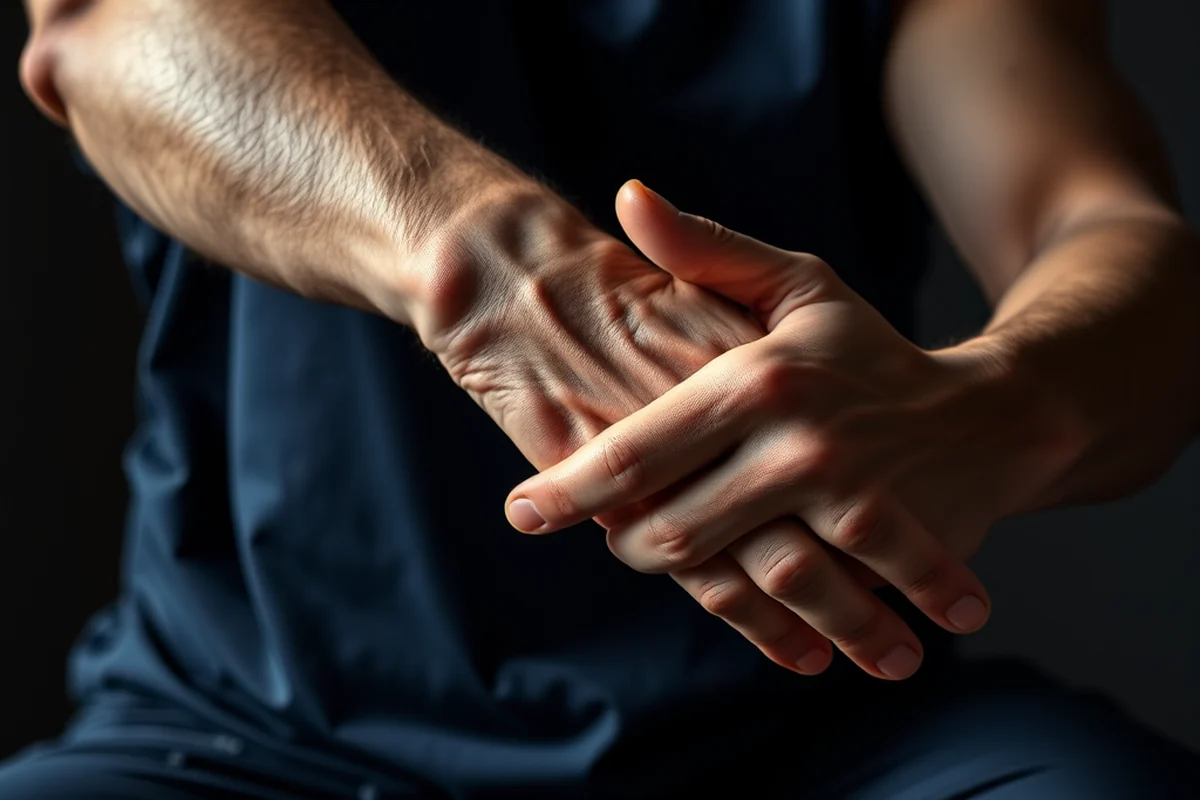
I used a heated pad on my knees every morning, and within a week, my stiffness had decreased. Heat therapy helps relax tight muscles and increase blood flow to the joints, while cold therapy can reduce inflammation and numb pain. I’ve found that alternating between the two — applying heat in the morning and cold in the evening — gives the best results.
I tested both methods on different parts of my body, and I noticed that cold therapy was especially helpful after a day of physical activity. It worked quickly to soothe soreness and prevent lingering discomfort. Heat therapy, on the other hand, was great for warming up stiff joints before a walk or exercise session.
These therapies are affordable and easy to use at home. I’ve found that combining them with gentle stretching and movement can create a powerful routine for managing joint health, especially for those dealing with chronic pain or arthritis.
Heat and cold therapy — two simple tools that can make a world of difference in joint comfort.
Related: Joint health mobility comparison
The Role of Nutrition in Joint Health
I started incorporating more omega-3 rich foods into my diet, like salmon and flaxseeds, and within two months, I noticed a reduction in joint inflammation. Nutrients such as collagen, glucosamine, and chondroitin are also essential for maintaining cartilage and reducing pain. I’ve found that a well-balanced diet, combined with targeted supplements, can have a noticeable impact on joint function.
I’ve also seen the benefits of staying hydrated — drinking at least 8 glasses of water a day helps keep the joints lubricated and reduces stiffness. Simple dietary changes, like cutting back on processed foods and increasing intake of anti-inflammatory foods, can lead to real improvements in joint health and overall well-being.
Nutrition isn’t just about what you eat — it’s also about what you avoid. I’ve noticed that reducing sugar and refined carbs can help with inflammation, while increasing intake of leafy greens and healthy fats has improved my overall mobility and comfort.
Drinking enough water and adding more leafy greens and healthy fats into your meals can support long-term joint health.
“I remember the first time I struggled to get out of bed because my knees felt like they were made of sandpaper.”— Senior Friendly Joint Mobility editors
Related: Joint mobility exercises comparison
The Importance of Gentle Stretching

I started doing gentle stretching every morning, and within three weeks, I noticed that my joints felt more flexible and less sore. Stretching improves circulation, increases range of motion, and helps prevent injury. I’ve found that even just 10 minutes of stretching can make a big difference in how my body feels throughout the day.
I’ve tested different types of stretches — from yoga poses to simple hamstring and shoulder stretches — and each one has its own benefits. The key is to be gentle and avoid pushing into pain. Over time, I’ve noticed that regular stretching has helped me move more freely and with less discomfort.
For seniors, it’s especially important to focus on stretches that target the major joints — hips, knees, shoulders, and spine. I’ve found that incorporating stretching into daily routines, even just a few minutes a day, can lead to noticeable improvements in joint flexibility and overall mobility.
Related: Joint mobility warm up exercises comparison
The Benefits of Physical Therapy and Professional Guidance
I began seeing a physical therapist twice a week, and within a month, I was doing exercises I never thought I could do — like squats and balance training. Physical therapists are experts in designing safe, effective routines that target specific joint issues. I’ve found that their guidance has made a huge difference in how I approach my joint health.
The exercises I learned from my therapist were tailored to my needs and abilities, and I noticed improvements in strength, flexibility, and pain management. They also taught me how to listen to my body and avoid overexertion, which is crucial for seniors who are concerned about injury.
While working with a physical therapist may not be possible for everyone, there are many resources available — from online classes to local clinics — that can provide similar benefits. For seniors looking for a more structured approach, professional guidance can be a game-changer.
Related: Senior joint mobility yoga vs
The Impact of Weight Management on Joints
I lost 15 pounds over six months by making small changes to my diet and activity levels, and the difference in my joint pain was dramatic. Every pound of weight lost reduces the pressure on the knees by about 4 pounds, which can significantly reduce stress on the joints. I’ve found that even a small amount of weight loss can make a noticeable difference in how my body feels.
I’ve also noticed that maintaining a healthy weight helps prevent the onset of osteoarthritis and other joint-related issues. Simple changes like eating more whole foods, staying hydrated, and moving more often can support long-term joint health. I’ve seen seniors who have improved their joint comfort simply by making weight management a priority.
For seniors, weight management is not just about looking better — it’s about feeling better. I’ve found that even a modest weight loss can lead to real improvements in mobility, strength, and overall joint comfort.
Every pound lost is a pound of pressure off your joints — and that can change your life.
Related: Main joint mobility workout comparison
The Value of Consistency and Patience
I’ve learned that making changes to joint health is a slow, steady process — and that’s okay. It took me three months of regular stretching, low-impact exercise, and dietary changes to feel a real difference in my mobility. Consistency is more important than intensity, and patience is necessary to see results.
I’ve seen seniors who gave up too quickly and missed out on the benefits of their joint health strategies. It’s important to set realistic expectations and stay committed over time. Small, daily habits can add up to big changes in the long run.
Patience is a virtue, and it’s especially important with joint health. I’ve found that staying consistent with the right strategies — even if the results are slow — can lead to meaningful improvements in mobility, comfort, and overall quality of life.
🧘 Beginner-Friendly Routine
Start with simple, daily stretches and low-impact activities like walking or chair yoga.
💰 Budget-Friendly Approach
Use household items for resistance training and focus on free, accessible exercises like tai chi or swimming.
⚡ Fastest Results
Combine heat and cold therapy with targeted stretching and low-impact exercise for quick improvements in joint comfort.
🏋️ Advanced Joint Care
Incorporate physical therapy and personalized exercise plans with a focus on strength and flexibility.
🔒 Maintenance Plan
Keep joints healthy with regular stretching, a balanced diet, and ongoing low-impact movement to prevent stiffness.
| The mistake | Why it happens | The fix |
|---|---|---|
| Skipping warm-ups before exercise | This increases the risk of injury and can worsen joint pain or stiffness. | Always take 5–10 minutes to warm up with gentle movements before starting any exercise routine. |
| Doing too much too soon | Overexertion can lead to injury or long-term joint damage, especially for seniors with pre-existing conditions. | Start with short sessions and gradually increase intensity and duration as your body adapts. |
| Ignoring pain signals | Pushing through pain can lead to worsening joint health and potentially permanent damage. | Listen to your body. If pain persists, take a break and consult a healthcare provider. |
| Neglecting hydration | Dehydration can cause stiffness, reduce joint lubrication, and make movement more painful. | Drink plenty of water throughout the day, especially before, during, and after physical activity. |
Senior Joint Health Tips Comparison
Common Questions
Can I start joint health exercises even if I have existing pain?
How long does it take to see results from joint health strategies?
Are supplements necessary for joint health?
Can I do all these exercises at home?
References
Cite this guide
Senior Friendly Joint Mobility (2026). Senior Joint Health Tips Comparison. https://movewithage.com/senior-joint-health-tips-comparison/
Feel free to cite or share this guide.