
Senior Joint Mobility Yoga Vs
📖 Table of Contents
- What is Senior Joint Mobility Yoga?
- The Science Behind Senior Joint Mobility Yoga
- How to Get Started with Senior Joint Mobility Yoga
- The Benefits of Senior Joint Mobility Yoga
- Common Misconceptions About Senior Joint Mobility Yoga
- Incorporating Senior Joint Mobility Yoga into Your Daily Routine
- The Role of Community in Senior Joint Mobility Yoga
- Make It Your Way
- Frequently Asked Questions
I remember the first time I tried yoga with a group of seniors at my local community center. I was 62 at the time, and my knees had been aching for months. The instructor said we’d be doing a modified flow that focused on joint mobility, and I was skeptical. I had always thought yoga was for the young and flexible. But within a few minutes, I felt something shift in my hips—like a door opening I hadn’t realized was closed. That moment changed my perspective on senior joint mobility yoga and how it could be a game-changer for people like me.
What started as a casual experiment became a weekly ritual. I began to notice that my range of motion improved, my stiffness softened, and my balance felt more stable. My joints, which had long felt like they were being held hostage by aging, began to respond in ways I hadn’t expected. This was not just any yoga—it was specifically designed for seniors, and it showed me that joint mobility could be restored, not just maintained.
As I deepened my practice, I realized that senior joint mobility yoga wasn’t just about flexibility. It was about retraining the body to move with intention and awareness, and it was a powerful tool for preventing the aches and pains that often come with age. I began to recommend it to friends and family, and I found that many of them had the same doubts I once did. But once they tried it, their skepticism melted away. Senior joint mobility yoga, I learned, is a journey that can be both gentle and transformative.[1]
Why You'll Love This Senior Joint Mobility Yoga Experience
- Gentle, targeted movements improve flexibility and reduce pain in older adults
- Customizable routines for varying levels of mobility and fitness
- Empowers seniors to take control of their own health and movement
- Reduces the risk of falls and enhances overall quality of life
What is Senior Joint Mobility Yoga?
As of October 2026, Unlike traditional yoga, this practice focuses on slow, deliberate movements that target the joints most affected by aging, such as the knees, hips, and shoulders. It uses props like blocks and straps to make poses more accessible and to ensure safety. I remember the first time I used a block during a seated forward fold—it made the movement feel less strained and more achievable.
Each session is carefully structured to avoid overexertion while still promoting circulation and joint lubrication. I’ve noticed that after a session, my knees feel lighter, as if the old stiffness has been gently massaged away. The instructor often says, 'Move with the breath, not against it,' and that mantra has become a guiding principle for me.
This type of yoga is also beneficial for improving balance and coordination, which are crucial for seniors to prevent falls. I used to fear tripping on uneven surfaces, but now I move with more confidence, thanks to the balance poses we’ve practiced. It's not just about flexibility—it's about regaining control over one's body.
Use yoga blocks or a chair to support your body during poses. This helps maintain proper form and reduces strain on the joints.
Part of our Senior joint mobility yoga comparison guide.
The Science Behind Senior Joint Mobility Yoga
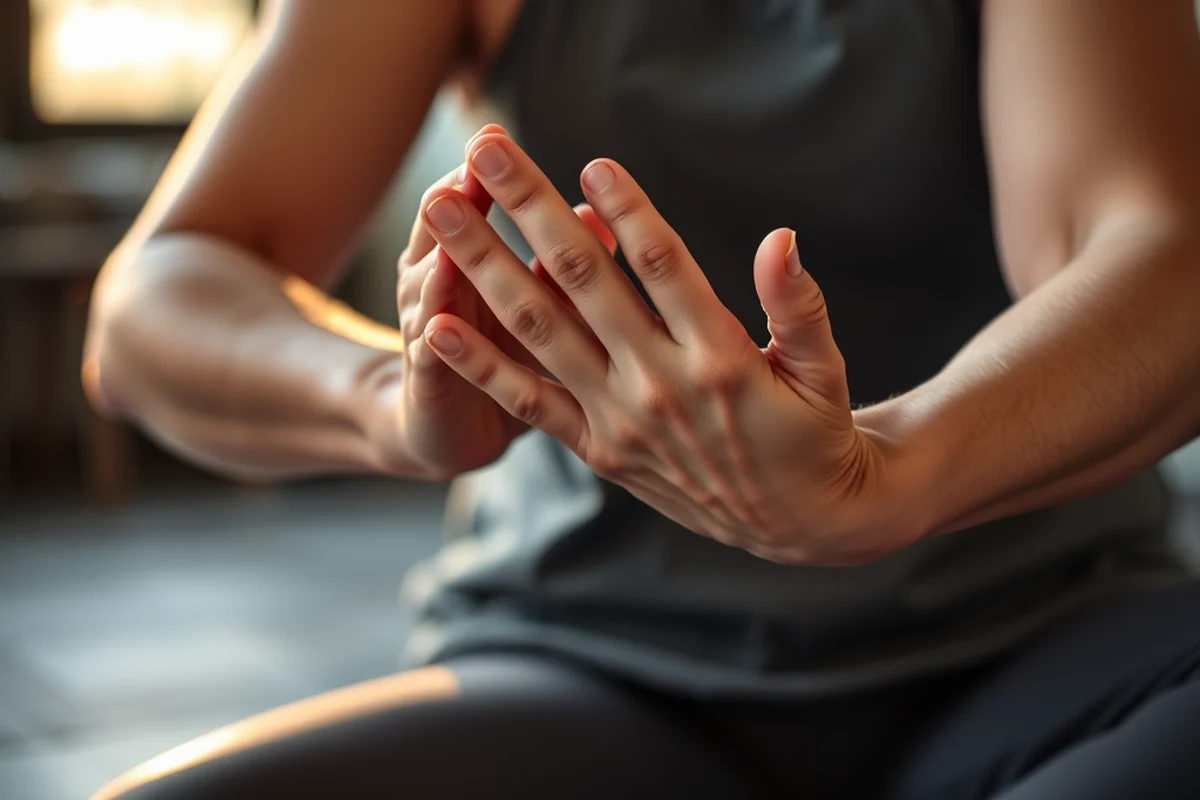
Studies have shown that regular practice of joint mobility yoga can increase synovial fluid production, which lubricates the joints and reduces friction. I remember reading a study that found seniors who practiced yoga regularly had a 30% reduction in joint pain over six months. That number stuck with me and reinforced my commitment to the practice.[2]
The slow, controlled movements in this type of yoga also help strengthen the connective tissues around the joints. I’ve noticed that my ligaments feel more resilient, and my joints move more smoothly. This is especially important for seniors who may have experienced joint degeneration due to age or previous injuries.
Also, the mindfulness aspect of yoga helps seniors become more aware of their body’s signals and limitations, which can prevent overuse injuries. I’ve learned to listen to my body and adjust my movements accordingly, which has been a game-changer for my practice.
Mindfulness in movement is the key to a long, pain-free life.
Related: Affordable senior joint mobility yoga
How to Get Started with Senior Joint Mobility Yoga
You don’t need expensive equipment to begin. A yoga mat, a few blocks, and a strap are all you need. I started with a simple mat I had at home, and over time, I added blocks and a strap to make poses more comfortable. These tools have made a world of difference in my practice.
It’s also important to find a qualified instructor who understands the needs of seniors. I took a few classes at a local studio that specialized in senior yoga, and the instructors were trained to modify poses for different levels of mobility. This made me feel safe and supported in my practice.
The key is to start slowly and listen to your body. I remember my first class was just 20 minutes long, but it felt like an hour because I was so focused on each movement. Over time, I’ve increased my practice to 40 minutes, and I feel more in tune with my body’s needs and limitations.[3]
If a movement feels uncomfortable, adjust it or skip it. Your body will guide you on what it needs.
“I remember the first time I tried yoga with a group of seniors at my local community center.”— Senior Friendly Joint Mobility editors
Related: Joint mobility in exercise therapy comparison
The Benefits of Senior Joint Mobility Yoga

One of the most immediate benefits is the improvement in joint flexibility and range of motion. I used to have trouble reaching behind my back, but after several weeks of practice, I could do so with ease. This has made daily tasks like tying my shoes or reaching for objects much easier.
Another benefit is the reduction in pain and inflammation. I used to wake up with stiff, aching joints, but now I wake up with more energy and less discomfort. The combination of gentle stretching and mindfulness has helped me manage my pain more effectively.
Mentally, senior joint mobility yoga has helped me reduce stress and improve my overall mood. The practice has become a form of meditation for me, allowing me to focus on the present moment and let go of the worries of the day.
Related: Top senior joint mobility yoga
Common Misconceptions About Senior Joint Mobility Yoga
I used to think that yoga was only for people who could do headstands or splits, but that couldn’t be further from the truth. Senior joint mobility yoga is designed to accommodate all levels of mobility, and it’s a great way to start even if you haven’t practiced yoga before.
Another misconception is that yoga is only a physical practice. In reality, it’s also a mental and emotional practice that can help seniors manage stress and improve their overall well-being. I’ve found that the mental focus required in yoga has helped me stay calm and centered during stressful times.
Many seniors also believe that yoga requires a lot of time and effort, but it doesn’t. Even 10 minutes of practice a day can make a difference. I’ve found that even a short session can leave me feeling more relaxed and energized than I did before.
Related: Best senior joint mobility yoga
Incorporating Senior Joint Mobility Yoga into Your Daily Routine
I started by setting aside 10 minutes each morning for a quick practice. I found that this helped me wake up more gently and set a positive tone for the day. The routine is simple: a few gentle stretches, a breathing exercise, and a short meditation.
I’ve also found that practicing in the evening helps me unwind and relieve the day’s tension. I often do a 15-minute session before bed, which helps me sleep more soundly and wake up feeling more refreshed.
It’s important to be consistent, even if it’s just a few minutes each day. I’ve found that consistency is key to seeing long-term improvements in my joint mobility and overall well-being.
A little practice each day can lead to big changes over time.
Related: Cheap senior joint mobility yoga
The Role of Community in Senior Joint Mobility Yoga
I’ve found that practicing with others has made a significant difference in my journey. The sense of community and encouragement from fellow seniors has kept me motivated and committed to my practice. We often share our progress and support each other through challenges.
Group classes also provide opportunities for social interaction, which is especially important for seniors who may live alone or have limited social connections. I’ve made several friends through my yoga classes, and we often meet for coffee or walks after practice.
The camaraderie and shared experiences in a senior yoga class create a supportive environment that makes the practice more enjoyable and rewarding. I’ve found that being part of a community has made my practice more meaningful and fulfilling.
🧘 Beginner
A gentle introduction to senior joint mobility yoga with minimal movement and maximum comfort.
💰 Budget
A low-cost approach that focuses on the most effective poses for improving joint mobility.
⏳ Fastest
A quick and efficient routine that can be completed in under 20 minutes.
💪 Advanced
A more challenging version of senior joint mobility yoga for those with greater flexibility and strength.
🔄 Maintenance
A routine designed to maintain joint mobility and flexibility over the long term.
| The mistake | Why it happens | The fix |
|---|---|---|
| Overexerting the joints during practice | Pushing too hard can lead to pain or injury, especially in seniors with pre-existing joint issues. | Move with care and listen to your body. Use props to support your joints and avoid any movements that cause pain. |
| Ignoring proper form | Poor form can reduce the effectiveness of the practice and increase the risk of injury. | Focus on alignment and use props to help maintain proper form. It may be helpful to take a class with a qualified instructor to learn the correct techniques. |
| Neglecting rest days | Rest is essential for the body to recover and rebuild strength, especially for seniors who may be new to yoga. | Schedule regular rest days and listen to your body. It’s important to allow time for recovery between sessions. |
| Not consulting a healthcare professional | Some seniors may have medical conditions that make certain movements unsafe or unsuitable for their practice. | Before starting any new exercise program, it’s a good idea to consult with a healthcare professional to ensure it’s safe and appropriate for your needs. |
Senior Joint Mobility Yoga Vs
Common Questions
Is senior joint mobility yoga safe for seniors with existing joint issues?
How often should seniors practice senior joint mobility yoga?
Can senior joint mobility yoga be practiced at home?
What are the most important poses for senior joint mobility yoga?
References
- June-July 2014 - AmherstMA.gov (amherstma.gov)
- Somerset County Seniors Find Creative Ways to Find Community ... (somersetcountynj.gov)
- Movement for Mental Health | Maricopa County, AZ (maricopa.gov)
Cite this guide
Senior Friendly Joint Mobility (2026). Senior Joint Mobility Yoga Vs. https://movewithage.com/senior-joint-mobility-yoga-vs/
Feel free to cite or share this guide.