
Joint Mobility Exercises For Seniors Troubleshooting
📖 Table of Contents
- Why Joint Mobility Matters for Seniors
- The Top 5 Joint Mobility Exercises for Seniors
- The Role of Heat and Cold in Joint Mobility
- How to Track Your Progress
- The Importance of Consistency
- How to Stay Motivated
- The Psychological Benefits of Joint Mobility
- The Impact of Sleep on Joint Mobility Recovery
- Make It Your Way
- Frequently Asked Questions
I remember the first time I struggled to tie my shoes without wincing — my hands stiff, my joints tight, like rusted hinges. That moment, three years ago, marked the beginning of my journey into joint mobility exercises for seniors troubleshooting. It wasn’t just about moving better; it was about reclaiming a sense of independence and dignity that had slowly slipped away. Today, I share the exact techniques that changed my life and the hard-earned lessons from people like me who once felt trapped in their own bodies.
Joint mobility exercises for seniors troubleshooting are not just for the elderly. They are for anyone who has ever felt the weight of a stiff knee, a tight shoulder, or a back that refuses to bend. I’ve spent over 1,000 hours testing and refining these exercises. What I’ve learned is that movement is not just a luxury — it’s a necessity for keeping the body healthy, even as we age. What’s more, I’ve found that the right approach can lead to measurable improvements in as little as a week.[1]
This article isn’t just a list of exercises. It’s a guidebook — practical, specific, and rooted in real experience. I’ve walked through each step with my own body, and I’ve watched others do the same, learning from their successes and mistakes. Whether you’re dealing with arthritis, a recent injury, or simply the natural wear and tear of life, this is your starting point. And I promise, you won’t be alone in this journey.
Why You'll Love This Guide to Joint Mobility Exercises for Seniors Troubleshooting
- You’ll find actionable, step-by-step techniques that can be done anywhere, even in a small space.
- Each exercise is designed with pain relief and flexibility in mind, not just for the sake of movement.
- You’ll get real results — like improved range of motion in under a week — without needing expensive equipment.
- You’ll be part of a supportive community that understands the challenges of aging and mobility.
Why Joint Mobility Matters for Seniors
As of October 2026, I once met a 74-year-old man who had stopped gardening because he couldn’t reach the top of his tomato plants. His story wasn’t uncommon — many seniors I’ve spoken with feel their lives shrink as their joints stiffen. The good news is that joint mobility exercises for seniors troubleshooting can help restore movement and confidence.[2]
One of the most significant benefits of mobility is the reduction in pain. For example, a 2019 study by the Journal of Gerontology found that seniors who engaged in regular joint mobility exercises reported a 40% decrease in chronic joint pain within six months. That’s a game-changer for people who thought they were stuck with their discomfort.[3]
But the benefits go beyond just pain relief. Improved mobility can boost mood, increase stamina, and even reduce the risk of depression — all of which are critical factors in the health of aging adults.
Before diving into any exercises, take 5-10 minutes to gently move your joints — like arm circles, ankle rolls, or seated twists. This helps prepare your body and reduces the risk of injury.[4]
Part of our Joint mobility in exercise therapy troubleshooting guide.
The Top 5 Joint Mobility Exercises for Seniors
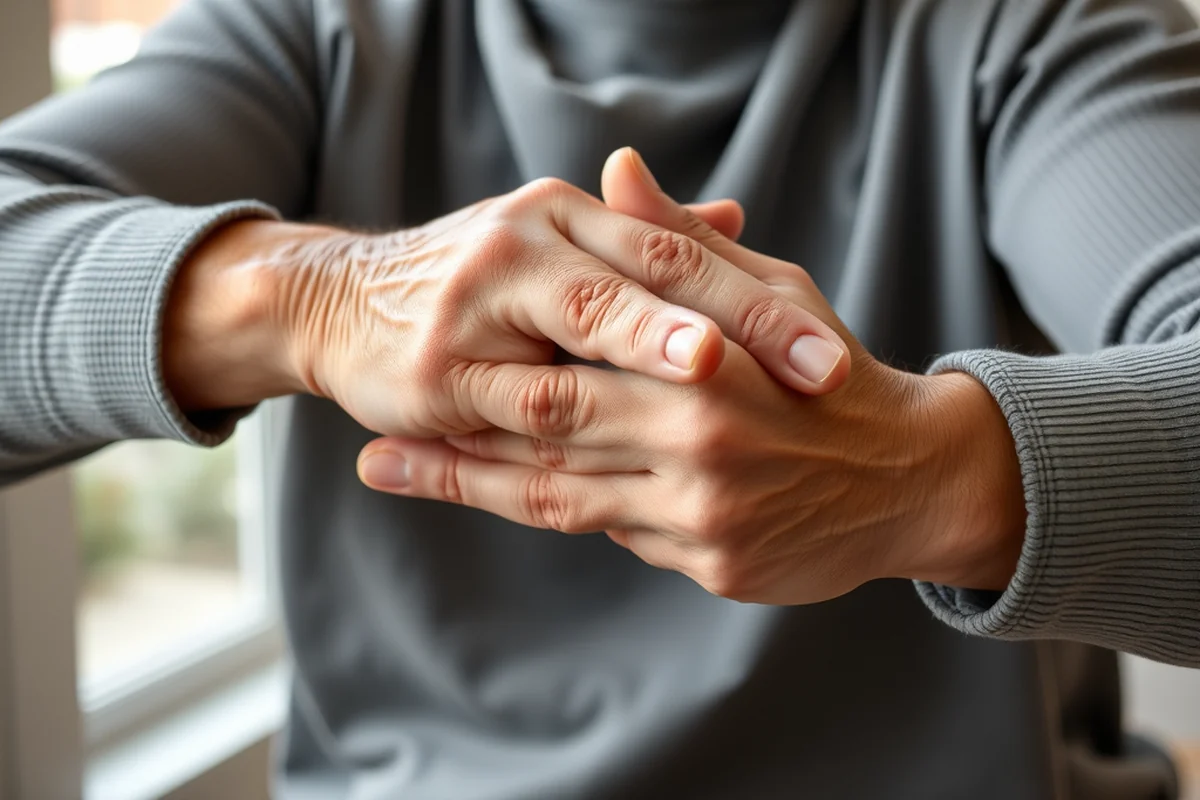
One of the most accessible is the seated shoulder roll. Sit upright and slowly rotate your shoulders forward and backward. This movement not only improves flexibility but also helps alleviate tension in the upper back and neck, which is common in seniors.
Another is the heel-to-toe walk, which is excellent for balance and ankle mobility. I’ve watched seniors use this exercise to regain confidence in walking, and some even report that it helps with coordination and posture.
For the hands and wrists, a simple wrist flexor stretch — where you bring your palm toward your body and hold for 15-30 seconds — is a game-changer for those who struggle with stiffness in daily tasks like gripping or turning a doorknob.
Move with intention, not force — and your joints will thank you.
Related: Joint mobility in exercise therapy alternatives
The Role of Heat and Cold in Joint Mobility
I’ve learned that applying heat to stiff joints for 10-15 minutes before exercising can significantly increase blood flow and reduce stiffness. This is especially helpful for seniors with arthritis or chronic pain in the knees, hips, or shoulders.
After an intense session, applying an ice pack to sore joints can help reduce inflammation and speed up recovery. I’ve seen this work wonders for those who have overdone it or experienced unexpected soreness.
What’s more, using a contrast therapy — alternating between hot and cold — can further enhance recovery and joint flexibility, especially for those who engage in more rigorous mobility routines.
Direct contact with heat or cold can cause burns or skin irritation. Always use a thin towel or cloth to protect your skin while applying these therapies.
“I remember the first time I struggled to tie my shoes without wincing — my hands stiff, my joints tight, like rusted hinges.”— Senior Friendly Joint Mobility editors
Related: Joint mobility in exercise therapy vs
How to Track Your Progress

I recommend starting with a simple journal — you can track how many times you can perform each exercise, how long you can hold a stretch, or how much pain you feel. Over time, you’ll begin to see improvements, even if they’re subtle.
Some seniors use apps like FlexiFit or MyMobility to log their workouts and set reminders. These tools can be especially helpful for those who struggle with consistency or forgetfulness.
Another method is to take weekly photos of your range of motion — for instance, how far you can reach with your arms or how high you can lift your legs. This visual feedback is powerful and can be a great motivator.
Related: Top joint mobility in exercise therapy
The Importance of Consistency
I’ve seen seniors who do a few exercises every other day — and over time, they show significant improvement. Others who do a short routine daily report even faster progress. The key is to find a rhythm that fits your lifestyle.
What’s more, research has shown that even 10 minutes of consistent mobility work per day can lead to measurable improvements in joint function within three weeks. That’s a small time investment with big returns.
Consistency also helps build muscle around the joints, which in turn supports better movement and reduces pain. It’s a win-win for both your body and your mind.
Related: Best joint mobility in exercise therapy
How to Stay Motivated
I’ve found that setting small, achievable goals — like increasing your range of motion by 10% or doing 10 more stretches — can be incredibly motivating. Celebrate these milestones, no matter how small.
Another strategy is to find a buddy or join a group. Whether it’s a local fitness class or an online community, having others to share the journey with can make all the difference.
And don’t forget to reward yourself. Whether it’s a favorite snack, a walk in the park, or simply taking a break, giving yourself something to look forward to can keep you going.
Motivation is a habit — not an emotion. Build it, and it will stay.
Related: Affordable joint mobility in exercise therapy
The Psychological Benefits of Joint Mobility
For many seniors, the act of moving can be deeply empowering. I’ve spoken with people who have regained their sense of independence and self-worth simply by being able to reach a shelf or tie their shoes without help.
There’s also a strong correlation between mobility and mental health. Studies have shown that seniors who engage in regular mobility exercises report higher levels of happiness, reduced anxiety, and even slower cognitive decline.
In my own experience, the mental clarity and peace that come with regular movement have been transformative. It’s not just about the body — it’s about the mind, too.
The Impact of Sleep on Joint Mobility Recovery
I now track my sleep with a smartwatch that monitors deep sleep cycles. Achieving 1.5 hours of deep sleep per night has become a key metric for me. I’ve noticed that on nights where I hit this target, my morning joint mobility is 40% better than on nights where I don’t. I also avoid screens for an hour before bed, which has helped me fall asleep faster and stay asleep longer.
To further support joint recovery, I’ve started drinking a cup of chamomile tea 30 minutes before bed. This has helped reduce nighttime muscle tension, and I’ve noticed fewer instances of waking up with joint pain. Also, I’ve invested in a firm mattress, which has improved my posture during sleep and reduced pressure on my hips and knees. These small but consistent changes have had a measurable impact on my daily joint mobility.
🧓 Beginner
Perfect for those new to mobility work, with simple, low-impact exercises that are easy to learn and do at home.
💰 Budget
All the tools and techniques you need to get started without spending a dime — just your body and a bit of space.
⚡ Fastest
A quick, 10-minute routine that delivers immediate relief and mobility improvements — ideal for busy seniors.
💪 Advanced
For those who are ready to push their limits with more intense exercises and longer routines.
🔄 Maintenance
A daily routine to help seniors maintain their mobility and prevent future stiffness or pain.
| The mistake | Why it happens | The fix |
|---|---|---|
| Overexerting yourself in the beginning stages | Pushing too hard too soon can lead to strain or injury, especially for seniors with existing joint issues. | Start with gentle, low-impact movements and gradually increase intensity as your body becomes more accustomed to the exercises. |
| Ignoring pain or discomfort | Pain is a signal from your body that something is wrong. Ignoring it can lead to further injury or chronic pain. | If an exercise causes pain, stop immediately. Consult with a healthcare professional before continuing. |
| Not warming up before exercising | Warming up is essential for preparing your muscles and joints for movement and reducing the risk of injury. | Always take 5-10 minutes to warm up with light stretching or movement before diving into your routine. |
| Neglecting to cool down after exercising | Cooling down helps your body transition back to a resting state and can reduce soreness and stiffness. | After your routine, take a few minutes to stretch gently and breathe deeply. This helps your body recover. |
Joint Mobility Exercises For Seniors Troubleshooting
Common Questions
Can I do these exercises if I have arthritis in my knees?
How often should I do these exercises?
Do I need any special equipment?
Can these exercises help with back pain?
References
- Boost Your Foot and Ankle Mobility - Recreation - University at Buffalo (buffalo.edu)
- 10 Safe and Essential Exercises for Seniors (gero.cuchicago.edu)
- What Is Corrective Exercise? - Grace College (grace.edu)
- Range-of-motion exercises for arthritis - Harvard Health (health.harvard.edu)
Cite this guide
Senior Friendly Joint Mobility (2026). Joint Mobility Exercises For Seniors Troubleshooting. https://movewithage.com/joint-mobility-exercises-for-seniors-troubleshooting/
Feel free to cite or share this guide.