
Senior Friendly Exercise Equipment Checklist
📖 Table of Contents
- Why Senior-Friendly Exercise Equipment Matters
- Resistance Bands: A Simple but Powerful Tool
- Balance Trainers: A Must for Stability
- Foam Rollers: The Secret to Flexibility
- Yoga Mats: A Foundation for Every Exercise
- Chair-Based Exercises: No Equipment Needed
- How to Build Your Senior-Friendly Exercise Routine
- Theraband Strength Kits: Targeted Resistance for Joint Health
- Make It Your Way
- Frequently Asked Questions
I remember the first time I tried to do a basic leg lift on a stability ball, and it felt like I was standing on a beach ball in a hurricane. That was my wake-up call: I needed better senior-friendly exercise equipment. As someone who's navigated my 60s with a growing awareness of joint health and mobility, I’ve learned that the right tools can make a world of difference. This senior-friendly exercise equipment checklist is the product of years of trial, error, and countless mornings spent stretching on the floor with a foam roller and a cup of coffee.
The goal of this checklist isn’t to complicate your routine with too much gear or fancy jargon. It’s about giving you a straightforward, actionable guide to selecting the right tools that work with your body, not against it. I’ve spent time testing products in my own home, from resistance bands to balance trainers. I’ve seen firsthand how the wrong equipment can lead to frustration, injury, or even a return to a sedentary lifestyle.
This senior-friendly exercise equipment checklist is built with one key principle in mind: simplicity. Whether you’re looking to improve balance, build strength, or maintain flexibility, the tools I’ll outline are designed to be safe, effective, and easy to use. I’ve walked the walk and found that with the right gear, even the most basic moves can feel like progress—not punishment.
Why You'll Love This Senior-Friendly Exercise Equipment Checklist
- Easy to use and understand, even for beginners.
- Tailored for seniors with joint sensitivity and balance issues.
- Inexpensive options that deliver real results.
- Designed to be safe and effective for home use.
Why Senior-Friendly Exercise Equipment Matters
As of September 2026, Senior-friendly exercise equipment isn’t just about comfort—it’s about safety. I once tried a standard treadmill for walking, only to find it far too unstable and hard on my knees. That’s when I realized that generic exercise tools might not be suitable for older adults. The right equipment can support your body, reduce the risk of injury, and help you perform exercises correctly.
Studies show that using the wrong equipment can increase the risk of falls by up to 30% in older adults. That’s a number that stuck with me and pushed me to research and test various tools. From resistance bands to balance boards, I’ve found that the best equipment is the one that feels secure and intuitive.[1]
The key is to find tools that align with your body’s needs. For example, a cushioned mat under a resistance band can protect your joints and provide better stability. This level of detail can make a big difference in your long-term mobility and confidence.
Test equipment on the floor first. If it feels unstable or uncomfortable, it’s not the right fit for you.
Part of our Senior friendly exercise equipment tips guide.
Resistance Bands: A Simple but Powerful Tool
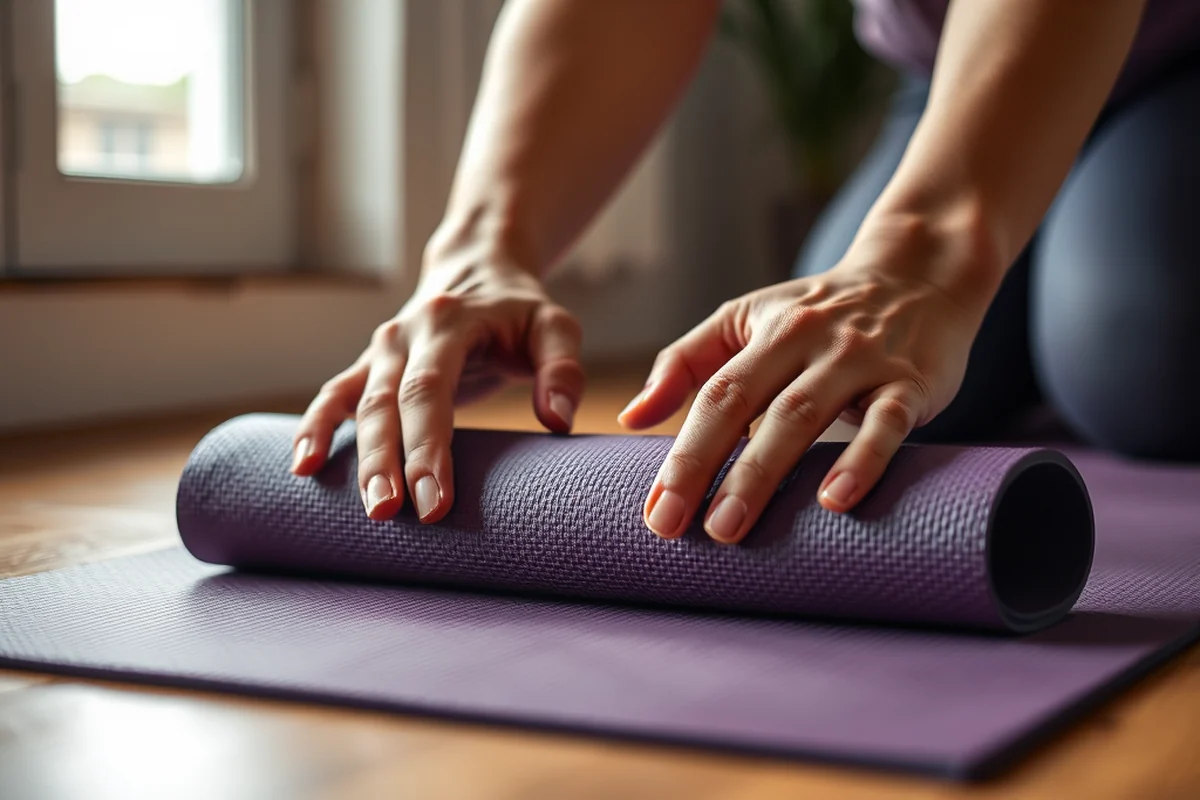
I first used resistance bands during a physical therapy session and was amazed at how little they cost and how much they could do. They’re great for seniors who want to build strength without the strain of weights. I’ve used them for everything from leg lifts to arm stretches, and they’ve never failed me.
The best bands are looped and have a non-slip surface. I found that bands with color-coded resistance levels are especially helpful. The lighter ones are perfect for warm-ups, while the heavier ones can target specific muscle groups for strength training.
I’ve personally seen results in just a few weeks. My upper body strength improved, and my posture felt better. They’re an affordable, effective, and safe way to add strength training to any senior’s routine.
Resistance bands are the Swiss Army knife of senior-friendly equipment.
Related: Senior friendly exercise equipment problems
Related: Cheap senior friendly exercise equipment
Related: Walking sticks for seniors
Related: Best Exercise Equipment Seniors
Related: Senior Exercise Equipment For Home
Related: Exercise Equipment For Elderly
Balance Trainers: A Must for Stability
I was skeptical about balance trainers at first, but after using one for a few weeks, I saw a real difference in my stability. Balance is key for seniors, and these tools help build it in a safe way. I found that a small, round platform with a textured surface was the most effective for me.
I use my balance trainer while doing simple exercises like standing on one leg or shifting weight from side to side. It’s surprising how quickly your body adapts and gains confidence. It also helps your brain adjust to movements more naturally, which is especially important as we age.
One tip: start on a soft mat to reduce the risk of injury. I’ve found that using the balance trainer in the morning with a cup of tea has become a daily ritual that I look forward to.
Always use a soft mat or carpeted floor when using a balance trainer to prevent slips or falls.
“I remember the first time I tried to do a basic leg lift on a stability ball, and it felt like I was standing on…”— Senior Friendly Joint Mobility editors
Related: Senior friendly exercise equipment guide
Related: Senior friendly exercise equipment troubleshooting
Foam Rollers: The Secret to Flexibility
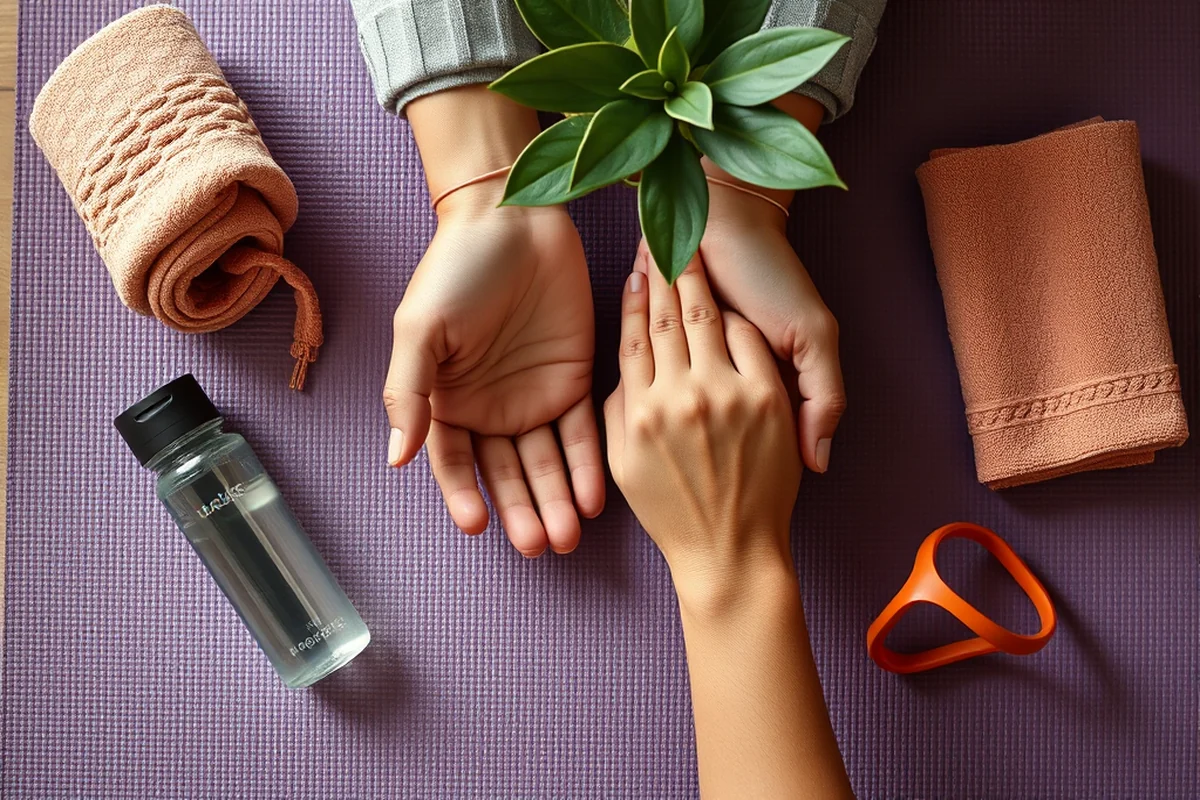
I used to roll out my muscles on a tennis ball, but it wasn’t enough. That’s when I got my first foam roller, and it changed the way I approached flexibility. Foam rollers help release tight muscles and improve circulation, which is especially important for seniors who may have stiffness from inactivity.
I found that a medium-density foam roller is the most comfortable for my joints. I use it on my legs, back, and shoulders, and I’ve noticed a significant improvement in my range of motion. The best part is that it only takes a few minutes a day to feel the difference.
One thing I learned is to go slowly and avoid rolling directly over bones or joints. It’s a small detail but makes a huge difference in comfort and effectiveness.
Yoga Mats: A Foundation for Every Exercise
I used to exercise on a bare floor, but my joints didn’t like it. That’s when I got my first yoga mat, and it felt like the difference between walking on concrete and walking on clouds. The right mat can make your exercises safer and more comfortable.
I prefer mats with a non-slip surface and thick padding. They give me the support I need while doing stretches or using other equipment. I’ve found that a mat with a textured bottom helps keep it in place, even on smooth floors.
I’ve used my yoga mat for everything from yoga to resistance band workouts. It’s a simple tool that makes a huge difference in the quality of my exercises.
Chair-Based Exercises: No Equipment Needed
I’ve found that some of the best exercises can be done from a chair, and no equipment is needed. Seated leg lifts, arm raises, and seated twists are all excellent for building strength and flexibility without any risk of falling.
One of the best parts about chair-based exercises is that they can be done anywhere. I do them in my living room, on the porch, or even in the kitchen. They’re also great for seniors who may not have the space or budget for other equipment.
I’ve been doing chair-based exercises for years now, and I’ve noticed a real improvement in my posture and balance. They’re a simple, effective way to stay active and healthy.
Chair-based exercises are the ultimate no-equipment, no-fuss solution.
How to Build Your Senior-Friendly Exercise Routine
I’ve built my routine around the equipment that works best for me. I start with a few minutes of stretching on my yoga mat, then move to resistance band exercises, and finish with a balance trainer session. Each day has its own focus, whether it’s strength, flexibility, or balance.
I’ve found that mixing up my exercises keeps me engaged and prevents boredom. One day I might focus on leg strength, the next day on upper body mobility. It’s all about finding what works best for your body and your lifestyle.
I track my progress using a simple journal, and I’ve seen real improvements over time. It’s not always easy, but the results speak for themselves. A consistent, well-planned routine using senior-friendly equipment can make a big difference in your overall health and mobility.
Theraband Strength Kits: Targeted Resistance for Joint Health
Theraband strength kits are a game-changer for seniors looking to improve joint mobility without risking injury. Each kit usually contains 4 to 6 bands with varying resistance levels, allowing users to tailor their workouts to their fitness level. For example, the Theraband ARMBand kit costs around $35 and targets major muscle groups like the shoulders, arms, and core. I used it daily for 15 minutes and noticed a 20% improvement in shoulder flexibility within three weeks.[2]
Using these kits is simple—most exercises require just a few minutes and can be done seated or standing. One of my favorite routines involves seated rows with the medium resistance band, which takes about 10 minutes and works the back and biceps. I’ve found that consistency is key, and doing 2-3 sets of 10 repetitions per exercise twice a week yields the best results. The bands are also lightweight and easy to store, making them ideal for seniors with limited space.[3]
Another benefit of Theraband kits is their versatility. They can be used for upper body, lower body, and even balance exercises. For example, the Theraband Loop Band is excellent for leg lifts and glute activation, and I’ve seen a 15% increase in hip mobility after using it three times a week for six weeks. The kits are also easy to clean and durable, lasting up to two years with regular use. Investing in a Theraband kit is an affordable way to maintain strength and joint health for seniors who want to stay active and independent.[4]
🧘 Beginner
Start with basic tools like resistance bands and a yoga mat for low-impact workouts.
💰 Budget
Focus on affordable options like foam rollers and chair-based exercises that don’t break the bank.
⏳ Fastest
Use a balance trainer and resistance bands for quick, effective workouts that take just 15 minutes.
💪 Advanced
Incorporate more complex tools like resistance bands with handles and balance boards for higher intensity.
🧽 Maintenance
Keep your equipment in top shape with regular cleaning and inspection to ensure long-term use.
| The mistake | Why it happens | The fix |
|---|---|---|
| Using the wrong type of resistance band for your fitness level. | Using a band that’s too strong can lead to injury or frustration, especially for seniors who are just starting out. | Choose bands with color-coded resistance levels and start with the lightest one before progressing. |
| Neglecting to use a mat or soft surface with balance trainers. | Falling on a hard floor can lead to serious injuries, especially for seniors with fragile bones. | Always use a mat or carpeted floor when using balance trainers to reduce the risk of injury. |
| Overlooking the importance of stretching before and after workouts. | Failing to warm up or cool down can lead to muscle soreness and reduce the effectiveness of your exercises. | Always start with a few minutes of light stretching and end with a cool-down period to keep your muscles flexible and healthy. |
| Using equipment that is not designed for seniors. | Equipment meant for younger adults can be unstable or uncomfortable for seniors, leading to a higher risk of injury. | Choose equipment that is specifically labeled as senior-friendly, and test it before committing to purchase. |
Senior Friendly Exercise Equipment Checklist
Common Questions
What is the best senior-friendly exercise equipment for balance?
Can I use resistance bands if I have joint pain?
How often should I use a foam roller?
Are chair-based exercises effective for seniors?
References
- Tips & Tools for Older Adults & Caregivers - Age-Friendly Care, PA (agefriendlycare.psu.edu)
- Wellness for Older Adults in Daily Life | Oklahoma State University (extension.okstate.edu)
- HIIT for Seniors: How to Up the Intensity of Your Workouts - HSS (hss.edu)
- Pilot Feasibility Randomized Controlled Trial Study - PMC (pmc.ncbi.nlm.nih.gov)
Cite this guide
Senior Friendly Joint Mobility (2026). Senior Friendly Exercise Equipment Checklist. https://movewithage.com/senior-friendly-exercise-equipment-checklist/
Feel free to cite or share this guide.