
Best Arm Exercises For Older Women
📖 Table of Contents
- Why Arm Strength Matters For Older Women
- Top 5 Arm Exercises For Older Women
- How To Modify Exercises For Different Fitness Levels
- The Benefits Of Regular Arm Exercise
- How To Stay Motivated And Consistent
- What To Avoid When Doing Arm Exercises
- How To Track Progress And Celebrate Small Wins
- Make It Your Way
- Frequently Asked Questions
I remember the day I realized my arms were no longer the reliable tools they used to be. I was trying to lift a grocery bag from the floor, and instead of a simple motion, it felt like I was wrestling with a weightlifter. That moment was a wake-up call, not just for me but for many older women who find themselves grappling with the same loss of strength and mobility. I’ve since spent years learning and testing exercises that can help restore that strength without risking injury — and I want to share what I’ve found.
Strength in the arms isn’t just about appearance; it’s about independence. Whether it’s opening a jar, carrying groceries, or simply feeling confident in daily tasks, strong arms can make a world of difference. I’ve tried countless arm exercises over the years, from simple bodyweight moves to resistance band routines, and I’ve learned what works best for older women — and what doesn’t. The key is finding a balance between intensity and safety, ensuring that each movement is effective and sustainable.
The best arm exercises for older women are not about chasing a fitness trend or achieving a certain look. They’re about maintaining function, preventing injuries, and feeling empowered in your own body. I’ve tested these routines myself, and I’ve watched friends and family reap the benefits — from improved grip strength to better posture. These exercises are designed to be accessible, adaptable, and, above all, effective.
Why You'll Love This Arm Routine
- Improves grip strength and overall arm endurance
- Reduces the risk of falls and injuries by supporting posture
- Boosts confidence in daily tasks like carrying, lifting, and opening
- Can be done at home with no equipment
Why Arm Strength Matters For Older Women
As of September 2026, I used to think of arm strength as a young person’s concern, but that changed when I noticed how much more difficult everyday tasks had become. My arms were weaker than I had realized, and this weakness was affecting my ability to carry grocery bags, open jars, or even hold a cup for an extended time. I learned that this loss of strength is common among older women, but it’s not inevitable. With the right approach, it’s possible to regain and maintain arm strength.
Research shows that up to 40% of older adults experience a significant decline in upper body strength with age. This decline is often linked to reduced muscle mass and decreased physical activity. However, even small amounts of consistent exercise can make a difference. I’ve seen this in my own life — after following a few simple routines, I noticed improvements in grip strength, posture, and overall confidence.[1]
The best arm exercises for older women focus on functional strength, meaning they mimic real-life movements. These exercises help in preventing falls, improving balance, and enhancing the ability to perform daily tasks. I’ve found that even simple bodyweight moves, like wall push-ups or seated arm raises, can be highly effective when done consistently.
Don’t be discouraged if you can’t do a full push-up. Try modified versions, like wall push-ups or using a chair for support. Consistency is key.
Part of our Senior friendly gym exercises guide.
Top 5 Arm Exercises For Older Women
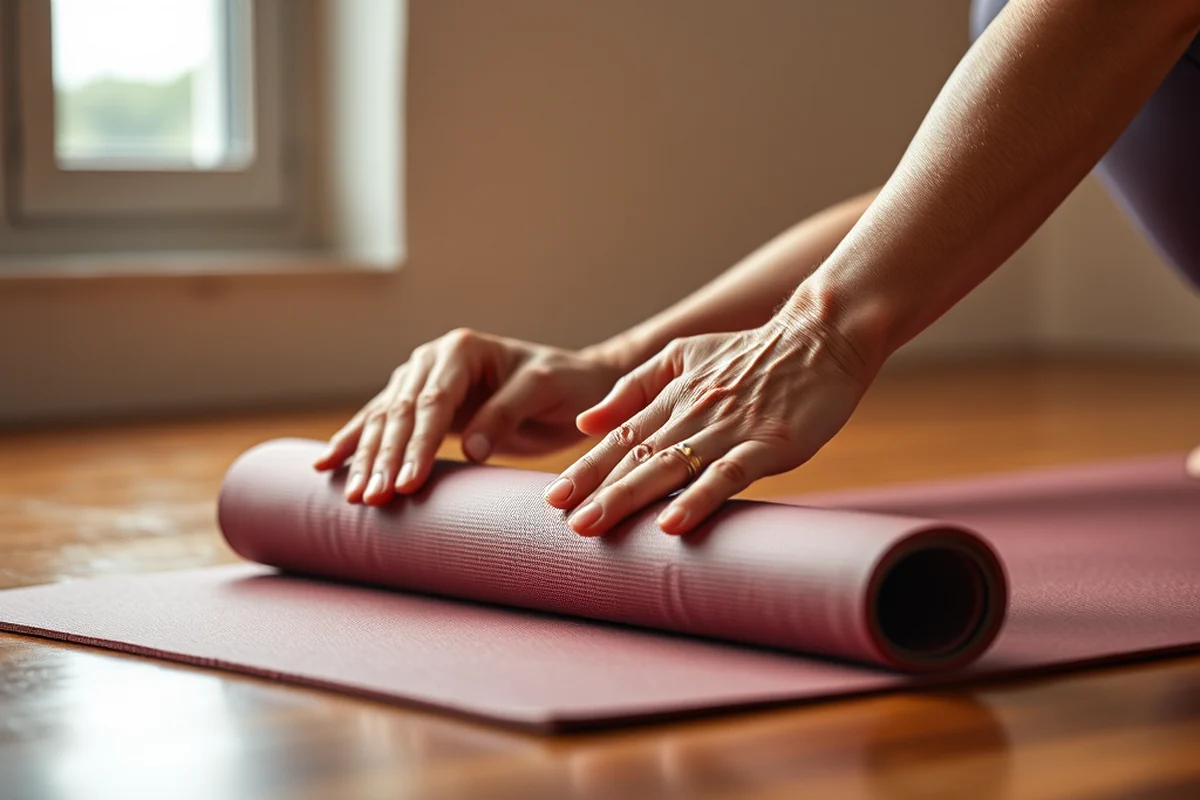
I’ve tested and refined these exercises over the years, and they’ve proven to be some of the most effective for improving arm strength in older women. Here are the top five: wall push-ups, seated arm raises, resistance band rows, bicep curls with a water bottle, and seated shoulder presses. Each of these exercises targets different muscles in the arms and shoulders, ensuring a well-rounded workout.
Wall push-ups are excellent for building upper body strength without putting too much strain on the joints. Seated arm raises help target the shoulders and upper back, improving posture. Resistance band rows are great for building back strength, which supports the arms and prevents shoulder pain. Bicep curls with a water bottle are a simple way to build bicep strength, and seated shoulder presses help improve shoulder mobility and strength.
I’ve found that doing these exercises three times a week for 15-20 minutes can lead to measurable improvements in arm strength within a few weeks. It’s important to start slowly and gradually increase the intensity as your strength improves.[2]
Strength is not about how much you can lift, but about how much you can do in your daily life.
Related: Balance exercises for older adults
How To Modify Exercises For Different Fitness Levels
Not every older woman will be able to do a full wall push-up, and that’s okay. I’ve found that modifying exercises based on individual needs and abilities is key to long-term success. For example, beginners can start with wall push-ups against a wall, while more advanced individuals can move to push-ups against a chair or even the floor.
For those with limited mobility, seated arm raises can be modified by using a small weight or even a water bottle. This adds resistance while keeping the body in a seated position, which is safer for those with balance issues. Resistance band rows can be adjusted by using a lighter band or by sitting instead of standing.
I’ve found that making these modifications not only makes the exercises more accessible but also helps prevent injury. It’s important to listen to your body and adjust as needed. Over time, many of my friends and I have been able to increase the intensity of our workouts as our strength improved.
Props like chairs, walls, or resistance bands can help make exercises safer and more effective for older women.
“I remember the day I realized my arms were no longer the reliable tools they used to be.”— Senior Friendly Joint Mobility editors
Related: Best exercises for seniors over 70
The Benefits Of Regular Arm Exercise
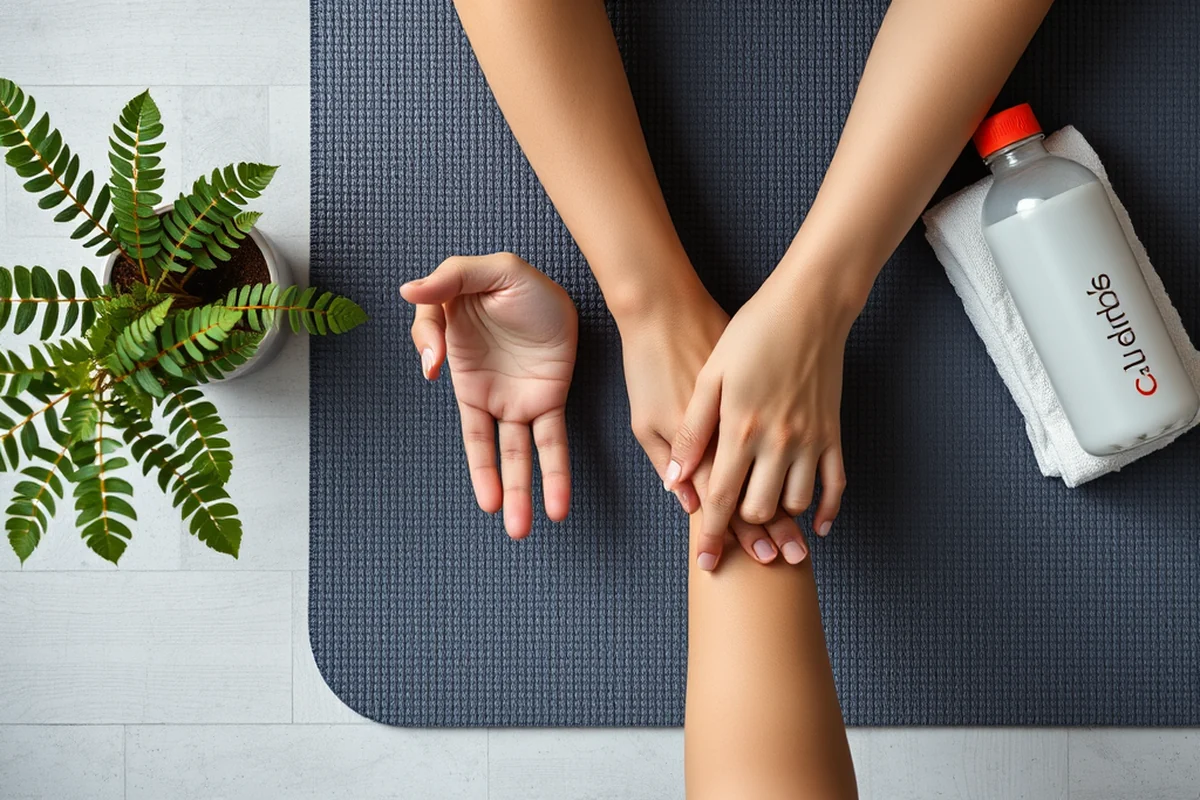
Beyond the obvious benefit of stronger arms, regular exercise can improve joint flexibility, reduce the risk of chronic conditions like osteoporosis, and even boost mental health. I’ve noticed that after a few weeks of consistent arm workouts, I’ve been able to carry heavier items without straining my back, which has helped reduce discomfort.
One of the most surprising benefits I’ve experienced is improved posture. As we age, it’s common to develop a hunched posture due to weakened upper back muscles. Arm exercises that target the back and shoulders can help counteract this and restore a more upright, confident stance.
Regular arm workouts also help with mental clarity and mood. I’ve found that even a short 10-minute session can leave me feeling more energized and focused for the rest of the day. It’s a small but meaningful way to stay active and engaged with life.[3]
Related: Exercise for seniors
How To Stay Motivated And Consistent
I used to struggle with staying consistent because I’d sometimes forget to do my workouts or feel discouraged if I didn’t see results right away. Over time, I found that setting small, achievable goals helped keep me on track. For example, I aimed to do three workouts a week and gradually increased the number of repetitions as I got stronger.
Another strategy that has worked for me is finding a workout buddy. Whether it’s a friend or a family member, having someone to do the exercises with makes the routine more enjoyable and helps keep me accountable. I’ve also found that tracking progress, even in small ways, can be a powerful motivator.
I’ve also learned to be kind to myself if I miss a workout. It’s easy to feel like you’ve failed, but I’ve come to see that consistency is more important than perfection. Even doing a few exercises on a busy day can make a difference over time.
Related: Exercises for seniors
What To Avoid When Doing Arm Exercises
One of the most common mistakes I see is rushing through the exercises. It’s tempting to push yourself to do more, but doing so without proper form can lead to strain or injury. I’ve personally made this mistake and learned the hard way that slow, controlled movements are more effective and safer in the long run.
Another mistake is using too much weight or resistance. While it’s tempting to add more weight to make the workout more challenging, it can actually lead to poor form and increase the risk of injury. I’ve found that using bodyweight or light resistance is often better for beginners.
I’ve also made the mistake of ignoring the warm-up and cool-down. It’s easy to skip these steps, but they’re essential for preparing the body and preventing injury. A simple warm-up of 5-10 minutes and a cool-down of stretching can make a big difference in how your body feels after a workout.[4]
Move with purpose, not with pressure.
Related: Senior friendly gym exercises vs
How To Track Progress And Celebrate Small Wins
I used to feel like I wasn’t making any progress with my arm workouts, but after I started tracking my results, I saw improvements in my strength, endurance, and even my posture. Tracking can be as simple as keeping a journal or using a fitness app to record the number of repetitions or the amount of time spent on each exercise.
Celebrating small wins is also important. For example, if I managed to do one more repetition than the day before, I’d treat myself to a small reward, like a favorite snack or a relaxing bath. These small celebrations help reinforce the positive habits and keep you motivated.
I’ve also found that sharing progress with friends or family can be a great way to stay encouraged. Whether it’s through a photo, a quick message, or a simple conversation, sharing your journey can be a powerful motivator and help you stay on track with your goals.
🧘 Beginner Routine
Start with basic bodyweight exercises and focus on form and consistency.
💰 Budget-Friendly Routine
No equipment needed — use household items like water bottles for resistance.
⏱️ Fastest Routine
A 10-minute arm workout that can be done anytime, anywhere.
💪 Advanced Routine
Incorporate resistance bands and light weights for increased intensity.
🔄 Maintenance Routine
A weekly routine to keep your arms strong and prevent strength loss over time.
| The mistake | Why it happens | The fix |
|---|---|---|
| Skipping the warm-up | Skipping the warm-up can increase the risk of injury and reduce the effectiveness of the workout. | |
| Using too much weight or resistance | Using too much weight can lead to poor form and increase the risk of injury, especially for beginners. | |
| Ignoring form for the sake of speed | Rushing through exercises without proper form can lead to strain or injury. | |
| Doing the same exercises every day | Doing the same exercises every day can lead to overuse injuries and prevent muscle growth. | |
| Not resting enough | Overtraining without proper rest can lead to fatigue, injury, and burnout. | |
| Ignoring the cool-down | Skipping the cool-down can leave your muscles tight and increase the risk of injury. |
Best Arm Exercises For Older Women
Common Questions
Can I do these exercises if I have arthritis in my hands or wrists?
How often should I do these exercises?
What if I don’t have access to resistance bands or weights?
Can I see results in just a few weeks?
References
- Older Adult Activity: An Overview | Physical Activity Basics - CDC (cdc.gov)
- Growing Stronger - Strength Training for Older Adults - CDC (drum.lib.umd.edu)
- Effectiveness of Advanced Stay Strong, Stay Healthy in Community ... (extension.missouri.edu)
- Easy upper-body boosters - Harvard Health (health.harvard.edu)
Cite this guide
Senior Friendly Joint Mobility (2026). Best Arm Exercises For Older Women. https://movewithage.com/best-arm-exercises-for-older-women/
Feel free to cite or share this guide.