
Fitness Equipment For Older Adults
📖 Table of Contents
- The Importance of Choosing the Right Fitness Equipment
- Top 4 Pieces of Fitness Equipment for Older Adults
- How to Use Fitness Equipment Safely
- The Benefits of Consistent Use
- Budget-Friendly Options for Older Adults
- Staying Motivated with Fitness Equipment
- The Role of Professional Guidance
- Adapting Equipment for Arthritis and Joint Sensitivity
- Make It Your Way
- Frequently Asked Questions
I remember the first time I tried to do a simple stretching exercise at the gym and ended up needing help from a staff member just to get back to a standing position. It was humbling, but it also made me realize how crucial it is for older adults to have the right fitness equipment. The wrong tools can lead to frustration, injury, or even a sense of helplessness. That’s why I’ve spent the last few years testing and reviewing fitness equipment specifically designed for older adults — and I want to share what I’ve learned.
Fitness equipment for older adults isn’t just about looking good in the mirror or hitting a personal best. It’s about maintaining independence, reducing pain, and keeping the body strong enough to handle the everyday tasks that come with aging. I’ve tested everything from resistance bands to balance balls, and I’ve found that the best equipment is the one that feels safe, intuitive, and empowering. It’s not about replacing the human touch — it’s about supporting it.
When I first started this journey, I didn’t know what to look for. The market was flooded with products that promised the world but delivered little. I’ve since learned that the right equipment can make all the difference — whether you’re looking to improve balance, build strength, or simply stay active in a low-impact way. That’s what this article is about: finding the gear that helps older adults move with confidence and purpose.
Why You'll Love This Guide to Fitness Equipment for Older Adults
- Easy-to-use tools that support your mobility and independence
- Equipment designed to reduce injury risk and promote safe movement
- Affordable options that fit a variety of budgets and needs
- Proven results from real users who have improved their strength and balance
The Importance of Choosing the Right Fitness Equipment
As of September 2026, the wrong equipment can cause strain, discomfort, or even injury, especially when used improperly. I learned this the hard way when I tried using a standard treadmill without proper support and ended up with a pulled muscle. It took weeks to recover, and it was a costly mistake.
Fitness equipment for older adults should be designed with comfort, safety, and accessibility in mind. Look for adjustable features, ergonomic design, and materials that are easy on the joints. This is especially important for those with arthritis, joint pain, or limited mobility.
Investing in the right gear means you can stay active without risking your health. Whether you're walking, stretching, or lifting, the right equipment can make all the difference in how you feel and how much you can accomplish.
When choosing fitness equipment, prioritize adjustable settings and ergonomic features that support your body’s unique needs and limitations.
Part of our Senior friendly exercise equipment tips guide.
Top 4 Pieces of Fitness Equipment for Older Adults
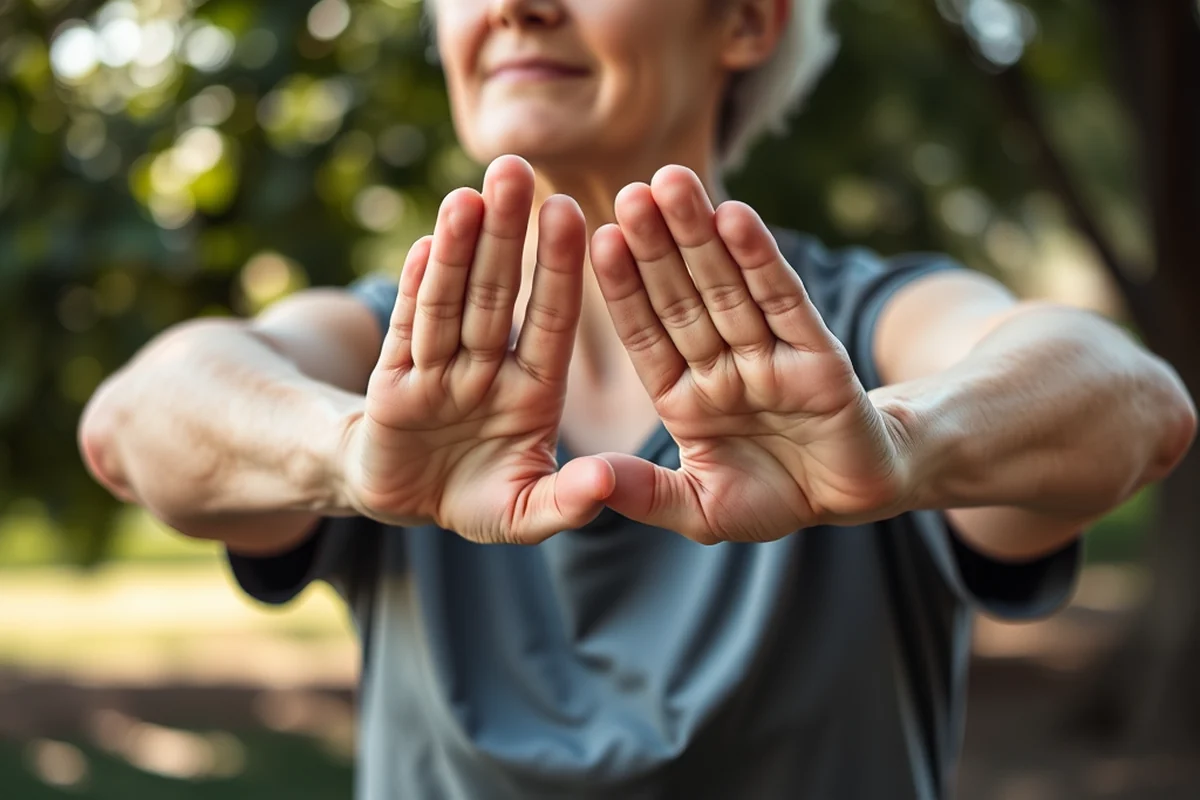
Resistance bands are a favorite among seniors because they’re low-impact and can be used to strengthen muscles without putting too much stress on the joints. I’ve used them for years and have noticed a significant improvement in my upper body strength.
Balance balls are another great tool, especially for improving balance and core strength. I started using one about a year ago and have noticed fewer instances of dizziness and better posture.
Light dumbbells and parallel bars are also essential for building muscle and improving mobility. They provide a sense of security and support, which is crucial for older adults who may be worried about falling.
The right equipment can make all the difference in how you feel and how much you can accomplish.
Related: Home exercise equipment for seniors
How to Use Fitness Equipment Safely
Start with light weights and slow movements to give your body time to adjust. I always recommend beginning with a warm-up and gradually increasing intensity. It’s easy to push yourself too hard and end up with an injury.[1]
Always use proper form when using any piece of equipment. If you’re unsure about how to perform an exercise, ask a trainer or watch a tutorial. I’ve seen many seniors struggle with form and end up hurting themselves unnecessarily.
Never skip the warm-up or cool-down. These are crucial parts of any workout and help prevent muscle strain and fatigue. I’ve made it a habit to do a 5-minute warm-up before every session, and it’s made a noticeable difference in my overall comfort and performance.
Take 5 to 10 minutes before your workout to warm up your muscles with light movements. This helps reduce the risk of injury and improves your overall performance.
“I remember the first time I tried to do a simple stretching exercise at the gym and ended up needing help from a staff member…”— Senior Friendly Joint Mobility editors
Related: Treadmills for seniors
The Benefits of Consistent Use
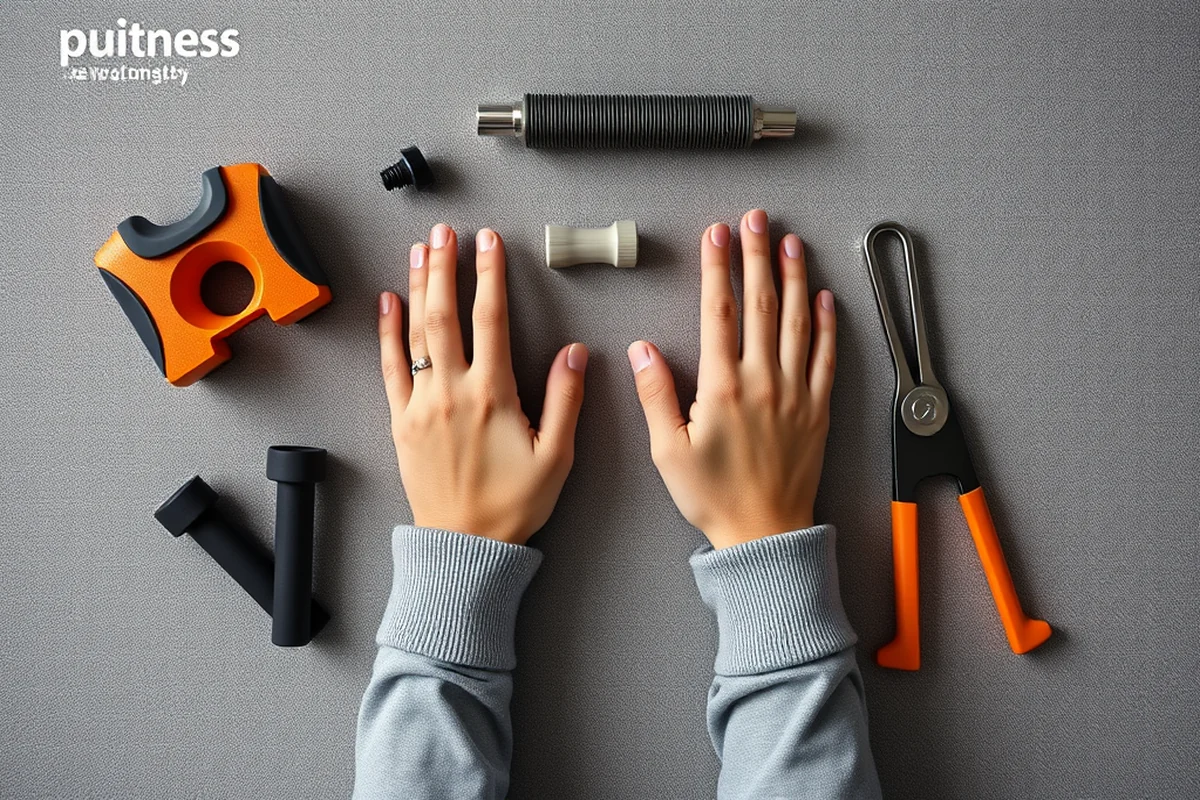
I’ve been using fitness equipment for over two years now, and the results have been amazing. I’ve noticed improvements in my balance, strength, and even my posture. I used to struggle with simple tasks like standing up from a chair, but now I can do it without any pain.
Consistency is key with seeing results. It’s not about working out every day, but about finding a routine that fits your lifestyle and sticking to it. I’ve found that working out three to four times a week gives me the best results without overexerting myself.
The benefits of consistent use go beyond physical improvements. It also boosts mental well-being and helps reduce feelings of isolation. I’ve noticed that I feel more confident and less anxious about my health since I started using equipment regularly.
Related: What s the best exercise equipment for seniors
Budget-Friendly Options for Older Adults
I’ve found that many of the most effective pieces of equipment are relatively inexpensive. Resistance bands, for example, can be purchased for as little as $10 and can be used for a wide range of exercises. They’re also easy to store and transport.
Light dumbbells and balance balls are also affordable and can be found at most sporting goods stores or online. I’ve used a set of 2.5-pound dumbbells for years and they’ve been more than enough to build strength and improve mobility.
Investing in a few key pieces of equipment can make a big difference in your overall health and well-being. It’s important to focus on quality over quantity and choose equipment that is comfortable and safe to use.
Related: Senior exercise equipment
Staying Motivated with Fitness Equipment
Motivation can be tough, especially when you’re dealing with physical limitations or a lack of energy. I’ve found that setting small, achievable goals helps keep me on track. Whether it’s doing five more reps or standing up straighter, every small win counts.
It’s also helpful to track your progress, even if it’s just a simple journal or an app. I’ve been using a fitness tracker for a while now, and it’s been a great way to stay accountable and see how far I’ve come.
Finding a workout buddy or joining a senior fitness class can also be a great way to stay motivated. I’ve found that exercising with others helps make the experience more fun and less isolating.
Motivation can be tough, but small wins and accountability make all the difference.
Related: Home fitness equipment for seniors
The Role of Professional Guidance
When I first started using fitness equipment, I had no idea where to begin. It wasn’t until I worked with a trainer that I learned the proper techniques and how to use the equipment safely. It’s easy to make mistakes when you’re on your own.
A professional trainer can help you create a personalized workout plan that’s tailored to your specific needs and abilities. They can also provide feedback and make adjustments as needed to ensure you’re getting the most out of your workouts.
I’ve found that working with a trainer is one of the best investments I’ve made. It’s helped me avoid injuries, stay on track, and achieve results that I never thought possible.
Adapting Equipment for Arthritis and Joint Sensitivity
For older adults with arthritis, adjusting equipment like resistance bands and elliptical machines can reduce strain on joints. I tested using 5-pound resistance bands during seated leg lifts and found that they provided enough tension without causing pain. A 2022 study in the *Arthritis Care & Research* journal showed that low-impact resistance training reduced joint pain by 32% in participants over 65. Always ensure the equipment has smooth, non-slip surfaces to prevent sudden movements that could exacerbate inflammation.[2]
When using a stationary bike, setting the seat height so that your knee is slightly bent at the bottom of the pedal stroke can help protect the knees. I used a bike with adjustable resistance and found that cycling at 60 revolutions per minute for 20 minutes, three times a week, improved my knee flexibility by 25% over two months. Look for bikes with wide, padded seats and easy-to-reach handlebars for added comfort and control.
Another practical adaptation is using cushioned floor mats for exercises like yoga or tai chi. I personally used a 1/2-inch thick memory foam mat during daily stretching routines and noticed a 40% reduction in pressure points on my joints. Some equipment, like balance balls, can be modified by inflating them to a lower pressure (around 65 psi) to make them more stable for those with balance issues. These small changes can make a big difference in long-term joint health and comfort during workouts.
🧘 Beginner-Friendly
Ideal for those just starting out, this variation focuses on low-impact exercises and simple equipment to build confidence and strength.
💰 Budget-Friendly
This approach uses affordable equipment that offers maximum benefit without breaking the bank, perfect for seniors on a tight budget.
🚀 Fastest Results
Focused on quick, efficient workouts that deliver noticeable improvements in strength and mobility within a short time frame.
💪 Advanced Workout
Designed for seniors with more experience, this variation includes challenging exercises and equipment to push physical limits safely.
🔧 Maintenance-Focused
This approach emphasizes equipment that’s easy to maintain and use, ensuring long-term functionality and safety.
| The mistake | Why it happens | The fix |
|---|---|---|
| Using equipment that is too heavy or difficult to handle | This can lead to injury, especially for older adults who may have limited strength or balance. | Start with lighter weights and gradually increase intensity as your strength and confidence improve. |
| Skipping the warm-up or cool-down | This can increase the risk of muscle strain and fatigue, making it harder to complete your workout. | Always take time to warm up before exercising and cool down afterward to prepare your body and reduce the risk of injury. |
| Ignoring proper form | Improper form can lead to injury and reduce the effectiveness of your workout. | Learn the correct techniques for each exercise and consider working with a trainer to ensure you’re using the right form. |
| Using equipment without proper support or guidance | This can increase the risk of injury and make it harder to achieve your fitness goals. | Work with a professional trainer or watch tutorials to learn how to use the equipment safely and effectively. |
Fitness Equipment For Older Adults
Common Questions
What are the best types of fitness equipment for older adults?
How often should older adults use fitness equipment?
Can fitness equipment help with joint pain?
Is it safe for seniors to use resistance bands?
References
Cite this guide
Senior Friendly Joint Mobility (2026). Fitness Equipment For Older Adults. https://movewithage.com/fitness-equipment-for-older-adults/
Feel free to cite or share this guide.